31 Jul, 2026 | Stephanie Sanders | One Comment
Leaky Gut: What It Means, What the Science Shows, and How to Support Your Gut Barrier
Stephanie Larmour Sanders, MS, RDN, CDE, FNLP
Clinical Dietitian, Certified Diabetes Educator, and Functional Nutritionist
| WordPress Excerpt “Leaky gut” is a popular term for increased intestinal permeability. Learn what this means, which claims are supported by evidence, what symptoms may be clues, and practical ways to support a healthy intestinal barrier. |
Many people hear the term “leaky gut” and wonder whether it could explain bloating, fatigue, brain fog, food reactions, or joint discomfort. The intestinal barrier is real, and changes in intestinal permeability can be measured. However, the term “leaky gut syndrome” is often used too broadly and is not a well-defined stand-alone medical diagnosis.
The most helpful approach is not to assume that every symptom comes from one cause. Instead, we can treat symptoms as clues, look for patterns, and investigate recognized medical conditions that may affect the gut lining.
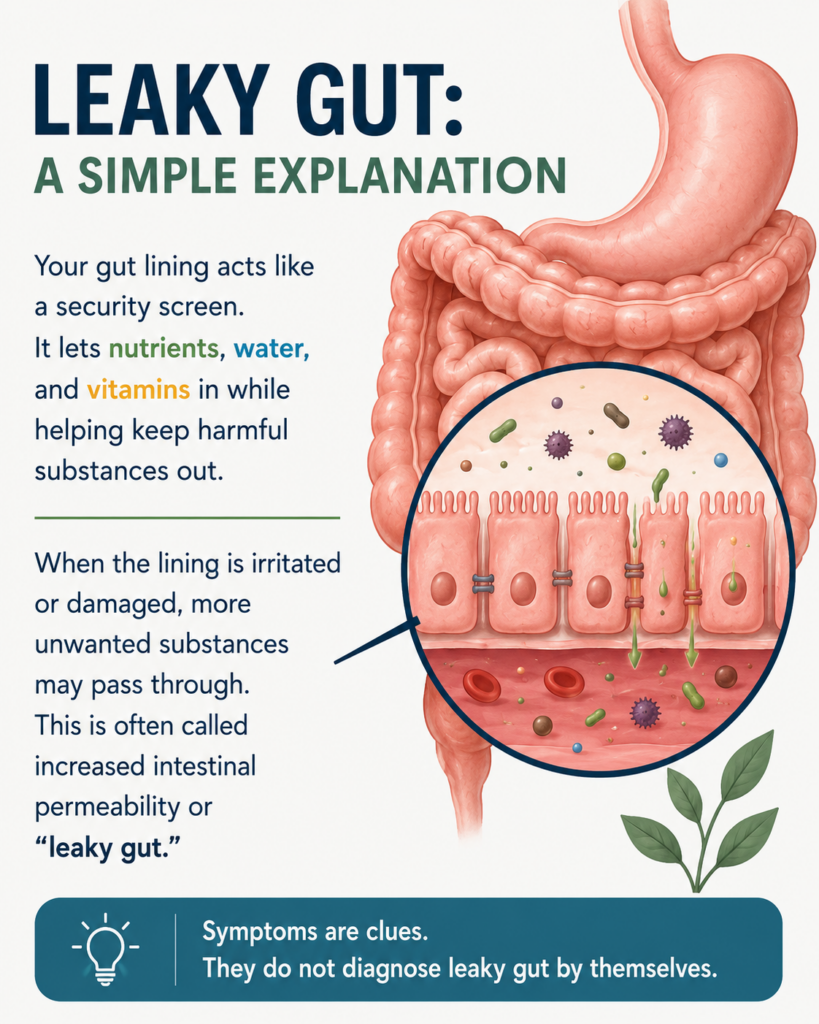
Image 1. A simple explanation of the intestinal barrier and increased permeability.
Illustration explaining how the intestinal lining controls what passes into the bloodstream and how increased intestinal permeability may allow more substances through.
What Does “Leaky Gut” Mean?
The medical term is increased intestinal permeability. Your intestinal lining is made of a single layer of cells covered by mucus and supported by immune cells, blood vessels, nerves, and the gut microbiome. The spaces between these cells are regulated by structures called tight junctions.
A healthy intestinal barrier helps:
- Absorb nutrients, water, and minerals.
- Keep most bacteria and potentially harmful substances inside the intestinal tract.
- Coordinate communication between the digestive system and the immune system.
- Maintain a balanced response to food, microbes, and other substances encountered in the gut.
When the barrier is inflamed, injured, or otherwise disrupted, more material may cross it than normally would. This is what people commonly call “leaky gut.”
| A Simple Picture Think of the intestinal lining as a carefully controlled security screen. A healthy screen allows selected nutrients and water through. A weakened screen may become less selective. |
Is Leaky Gut Real?
Increased intestinal permeability is real and scientifically recognized. Researchers have documented barrier changes in conditions such as celiac disease, inflammatory bowel disease, certain gastrointestinal infections, and some cases of irritable bowel syndrome.
What remains uncertain is whether “leaky gut syndrome” should be treated as a separate diagnosis that explains a long list of unrelated symptoms. Current reviews emphasize that the causal direction is often unclear: disease may damage the barrier, barrier dysfunction may contribute to inflammation, or both processes may occur together.
| Important Distinction The barrier problem is real. The catch-all diagnosis and many commercial claims surrounding “leaky gut syndrome” are not firmly established. |
What Can Affect the Intestinal Barrier?
Several factors may influence intestinal barrier function. Their effects vary by person, dose, duration, health status, and the presence of underlying disease.
- Celiac disease and inflammatory bowel disease.
- Gastrointestinal infections and significant intestinal inflammation.
- Frequent or high-dose use of nonsteroidal anti-inflammatory drugs, such as ibuprofen or naproxen.
- Heavy or chronic alcohol intake.
- Changes in the gut microbiome, sometimes called dysbiosis.
- Low-fiber dietary patterns dominated by highly processed foods.
- Poorly controlled metabolic disease and chronic systemic inflammation.
- Severe physical stress, critical illness, or major injury.
- Poor sleep and psychological stress, although the exact clinical significance varies and cause-and-effect relationships remain under study.
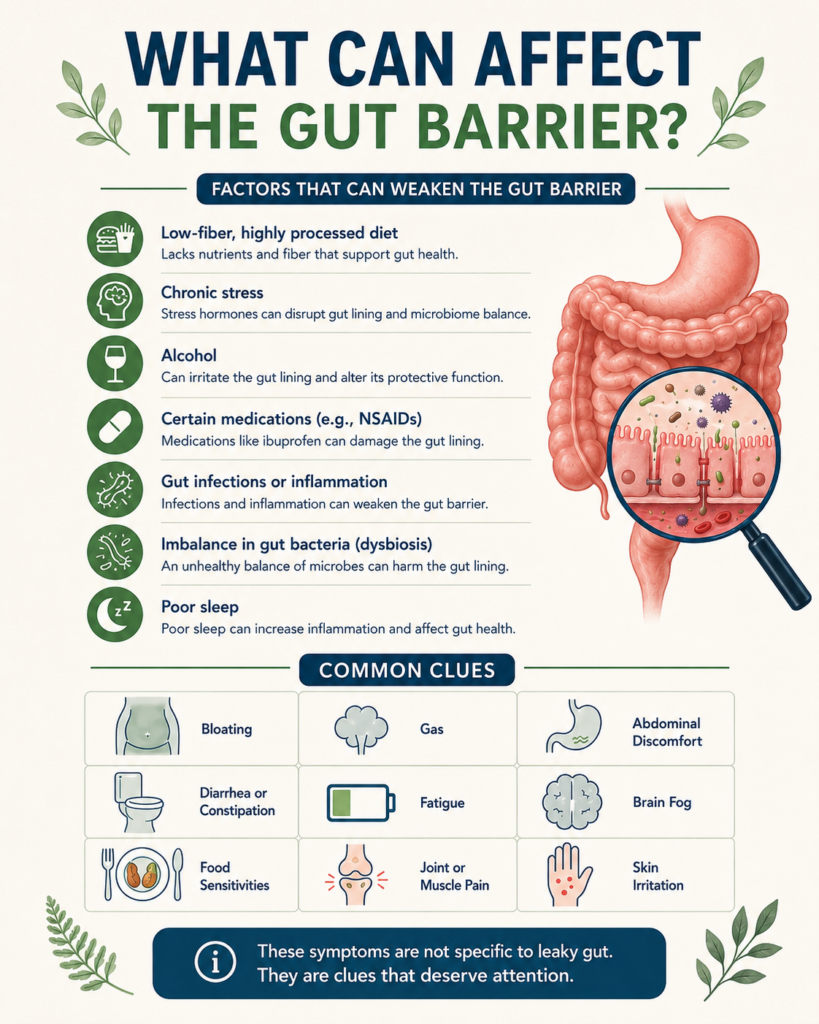
Image 2. Factors that may affect the gut barrier and common symptoms that may be clues.
Infographic listing diet, stress, alcohol, medications, infection, microbiome imbalance, and sleep as possible influences on the gut barrier, with common digestive and whole-body symptoms.
What Symptoms May Be Clues?
Symptoms often attributed to “leaky gut” include:
- Bloating, gas, or abdominal discomfort.
- Diarrhea or constipation.
- Nausea or uncomfortable fullness after meals.
- Fatigue or brain fog.
- Food-related symptoms.
- Skin irritation.
- Joint or muscle discomfort.
These symptoms do not diagnose increased intestinal permeability. They can also occur with irritable bowel syndrome, celiac disease, inflammatory bowel disease, small intestinal bacterial overgrowth, food intolerances, thyroid disorders, medication effects, pancreatic or liver disorders, and many other conditions.
| Detective Question Instead of asking only, “Do I have leaky gut?” ask, “When do my symptoms occur, what patterns repeat, and what recognized conditions should be ruled out?” |
Can Leaky Gut Be Diagnosed With a Routine Test?
There is currently no single routine blood, stool, or urine test that can confirm a broad “leaky gut syndrome.” Research studies may use special sugar-permeability tests, but these tests have technical limitations and are not standard screening tools for every person with digestive symptoms.
Commercial zonulin testing also requires caution. Some commercial assays do not reliably measure the protein they claim to measure, and an isolated zonulin result should not be treated as definitive proof of intestinal permeability.
A clinician may instead evaluate for recognized causes of symptoms, including:
- Celiac disease.
- Inflammatory bowel disease.
- Infection.
- Irritable bowel syndrome or other disorders of gut-brain interaction.
- Small intestinal bacterial overgrowth when clinically appropriate.
- Medication-related irritation or injury.
- Malabsorption, anemia, or nutrient deficiencies.
- Thyroid, liver, pancreatic, or other medical conditions.
How Can You Support a Healthy Gut Barrier?
There is no one-size-fits-all “gut healing” protocol. The most responsible plan is to identify and treat the underlying condition while supporting overall digestive, metabolic, and immune health.
1. Build Fiber Gradually
Vegetables, fruits, beans, lentils, nuts, seeds, and intact whole grains provide fermentable fibers and other compounds that support the gut microbiome. Some gut bacteria convert fiber into short-chain fatty acids, including butyrate, which helps nourish cells lining the colon.
People with significant bloating, strictures, active inflammatory bowel disease, recent gastrointestinal surgery, or other complex conditions may need individualized guidance before increasing fiber.
2. Eat a Varied, Minimally Processed Diet
A varied dietary pattern rich in colorful plant foods provides fiber, polyphenols, vitamins, and minerals. A Mediterranean-style pattern is a practical example for many people, although it should be adapted to medical needs, tolerances, culture, and food access.
3. Include Adequate Protein
Protein supplies amino acids needed for tissue maintenance, immune function, and repair. Useful options may include fish, poultry, eggs, yogurt or kefir when tolerated, tofu, tempeh, beans, and lentils.
4. Reduce Known Irritants
Depending on the individual, this may include excess alcohol, smoking, frequent unnecessary NSAID use, and foods that repeatedly and clearly trigger symptoms. Medication changes should always be discussed with the prescribing clinician.
5. Support Sleep, Movement, and Stress Regulation
The digestive system communicates with the brain, immune system, hormones, and microbiome. Regular movement, sufficient sleep, and practical stress-reduction strategies support overall digestive and metabolic health, even though they are not cures for intestinal disease.
6. Use Probiotics Selectively
Probiotic benefits are strain-specific and condition-specific. A product studied for antibiotic-associated diarrhea may not help IBS, inflammatory bowel disease, or another condition. Probiotics are not a universal treatment for intestinal permeability.
7. Avoid Unnecessary Restriction
Automatically removing gluten, dairy, grains, legumes, or many other foods can create nutrient gaps and make eating unnecessarily difficult. Gluten must be strictly avoided in diagnosed celiac disease, but a gluten-free diet is not automatically appropriate for everyone with bloating or suspected permeability changes.
Important: Celiac testing should generally be completed before starting a gluten-free diet, because removing gluten can make blood tests and biopsies less reliable.

Image 3. Practical ways to support a healthy intestinal barrier.
Infographic showing fiber-rich whole foods, protein, hydration, limiting excess alcohol and smoking, stress management, sleep, movement, and selective probiotic use.
What About Glutamine, Zinc, Probiotics, and Other Supplements?
Glutamine, zinc, vitamin D, omega-3 fats, probiotics, prebiotics, and polyphenols are being studied for effects on intestinal barrier function. Some may be useful for particular diagnoses, deficiencies, or clinical circumstances. That does not establish a universal supplement protocol for everyone with digestive symptoms.
Supplements can interact with medications and may be inappropriate in kidney, liver, cancer, immune, or gastrointestinal conditions. A food-first plan and evaluation of the underlying problem are usually the safest starting points.
When Should You Seek Medical Care?
Contact a qualified healthcare professional promptly for:
- Blood in the stool or black, tar-like stool.
- Unexplained weight loss.
- Persistent vomiting or inability to keep fluids down.
- Fever with significant gastrointestinal symptoms.
- Severe or worsening abdominal pain.
- Anemia or unexplained nutrient deficiencies.
- Persistent or nighttime diarrhea.
- Difficulty swallowing.
- New, persistent digestive symptoms later in life.
- A strong family history of celiac disease, inflammatory bowel disease, or gastrointestinal cancer.
The Bottom Line
| Symptoms Are Clues, Not Conclusions “Leaky gut” is a popular name for increased intestinal permeability. Barrier dysfunction is scientifically recognized, but it should not be used as a catch-all explanation for every digestive, immune, or inflammatory symptom. |
A practical detective approach is to:
- Notice the symptoms without blaming or panicking.
- Look for repeating patterns involving food, sleep, stress, medications, and illness.
- Rule out recognized medical conditions.
- Support the intestinal barrier with a varied, nutrient-dense eating pattern and realistic lifestyle habits.
- Treat the underlying cause rather than relying on an expensive universal “gut healing” package.
Symptoms are signals. Patterns are information. Better questions can lead to better care.
References
1. Lacy BE, Cangemi DJ, Wise JL. Leaky Gut Syndrome: Myths and Management. Gastroenterology & Hepatology. 2024. View source
2. Di Vincenzo F, et al. Gut microbiota, intestinal permeability, and systemic inflammation. Internal and Emergency Medicine. 2024;19:275-293. View source
3. Macura B, et al. Intestinal permeability disturbances: causes, diseases and therapy. Archivum Immunologiae et Therapiae Experimentalis. 2024. View source
4. Dmytriv TR, et al. Intestinal barrier permeability: the influence of gut microbiota, nutrition, and exercise. Frontiers in Physiology. 2024. View source
5. Massier L, et al. How shortcomings of zonulin as a biomarker mislead the field of intestinal permeability. Gut. 2021. View source
6. Haskey N, et al. Biomarkers of Intestinal Permeability Are Influenced by Diet in Adults with Ulcerative Colitis. Nutrients. 2024. View source
Stephanie
I wanted to add this article to provide information on this topic. I often find this subject to be confusing.