13 Aug, 2026 | Stephanie Sanders | No Comments
Postmenopause and Healthy Aging: Nutrition, Muscle, Bone, Brain Health, and the Foundations of Longevity
Stephanie Larmour Sanders, MS, RDN, CDE, FNLP
Clinical Dietitian, Certified Diabetes Educator, and Functional Nutritionist
Menopause is often discussed as though it ends when the hot flashes settle down. But menopause is actually a transition into another important stage of life.
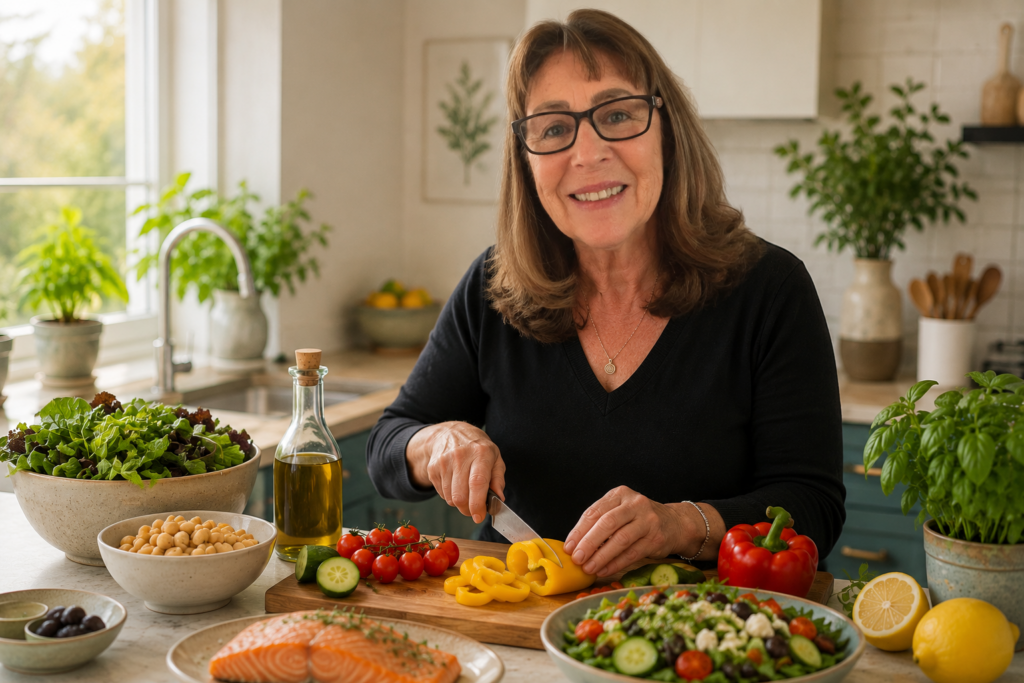
Postmenopause begins after a woman has gone 12 consecutive months without a menstrual period. From that point forward, lower estrogen levels become part of the body’s new hormonal environment.
For many women, this stage may last 30 years or more. That makes postmenopause much more than a conversation about managing menopausal symptoms. It is an opportunity to think about how we want to age.
How can we protect our bones? Maintain muscle and independence? Support our brains and hearts? Meet changing nutrient needs? And perhaps most importantly, how can we build habits that support not simply a longer life, but more years of strength, mobility, clarity, and vitality?
There is no single “longevity food,” supplement, or perfect anti-aging routine. Healthy aging is built from many interconnected pieces.
The goal is not perfection. It is to identify the areas that matter and strengthen them one realistic step at a time.
What Changes After Menopause?
Menopause is a normal biological transition, not a disease. However, declining estrogen can affect several tissues and metabolic processes.
During and after the menopause transition, women may experience changes in:
- Bone remodeling and bone mineral density
- Muscle mass and body composition
- Where body fat tends to accumulate
- Cholesterol and cardiovascular risk
- Insulin sensitivity and blood sugar regulation
- Sleep
- Temperature regulation
- Vaginal and urinary tissues
- Mood and cognitive symptoms
At the same time, chronological aging continues.
That distinction matters. We should not blame every change that occurs in our 50s, 60s, and 70s on menopause. Hormones, aging, nutrition, physical activity, sleep, medications, medical conditions, genetics, stress, and other lifestyle factors can overlap.
Symptoms are signals, not a diagnosis.
The most useful question may not be, “Is this menopause or aging?”
It may be, “What does my body need now to remain as strong and healthy as possible?”
Bone Health Becomes a Priority
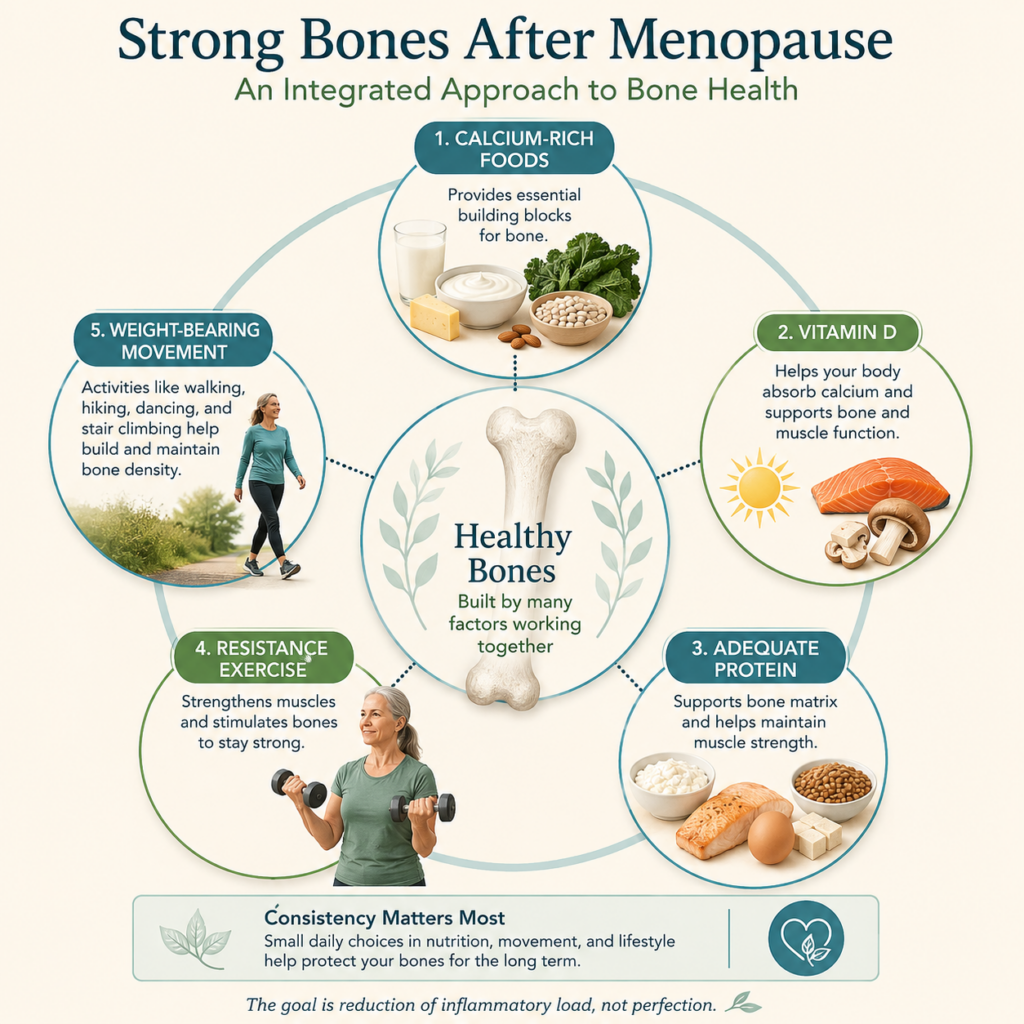
Bone is living tissue. Throughout life, old bone is continually broken down and replaced with new bone.
Estrogen helps regulate this remodeling process. As estrogen declines around menopause, bone breakdown can temporarily outpace bone formation, contributing to accelerated bone loss. Over time, this can increase the risk of osteoporosis and fractures.
This is one reason bone health deserves attention before a fracture occurs.
Calcium
Calcium provides important structural material for bone, but it also participates in muscle contraction, nerve signaling and other functions.
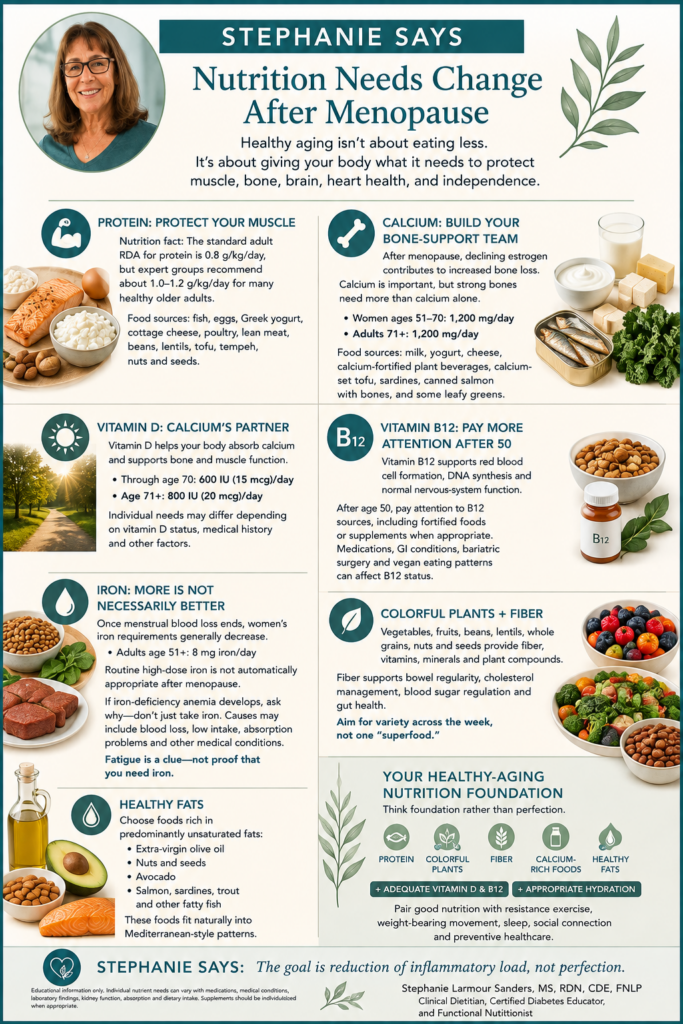
For women ages 51–70, the recommended dietary allowance for calcium is 1,200 mg per day. Adults 71 and older also have a recommended intake of 1,200 mg per day.
Food sources include:
- Milk, yogurt and cheese
- Calcium-fortified plant beverages
- Calcium-set tofu
- Sardines and canned salmon with edible bones
- Some leafy greens
- Other calcium-fortified foods
Food-first approaches can help provide calcium along with protein and other nutrients. Supplements may be appropriate in some situations, but more is not necessarily better and supplementation should consider total dietary intake and individual health needs.
Vitamin D
Vitamin D helps the body absorb calcium and contributes to normal bone and muscle function.
The recommended dietary allowance is 600 IU (15 mcg) daily through age 70 and 800 IU (20 mcg) beginning at age 71.
Vitamin D status can vary considerably because of sun exposure, skin pigmentation, geographic location, diet, absorption and other factors. A clinician can help determine whether testing or supplementation is appropriate.
Bone needs more than calcium
One common mistake is reducing “bone nutrition” to calcium alone.
Bone health is also supported by adequate:
- Protein
- Vitamin D
- Magnesium
- Phosphorus
- Vitamin K
- Overall energy and nutrient intake
And nutrition is only part of the picture.
Resistance and weight-bearing activity provide the mechanical stimulus bone needs. Walking is valuable for health, but strength and resistance exercise add another important layer for both bone and muscle.
Women age 65 and older should be screened for osteoporosis. Postmenopausal women younger than 65 who have additional risk factors may also need earlier fracture-risk assessment and bone-density screening.
Muscle May Be One of Our Most Important Longevity Assets
Many women have spent decades thinking primarily about body weight.
With aging, I would encourage us to expand the question:
How much functional muscle are we protecting?
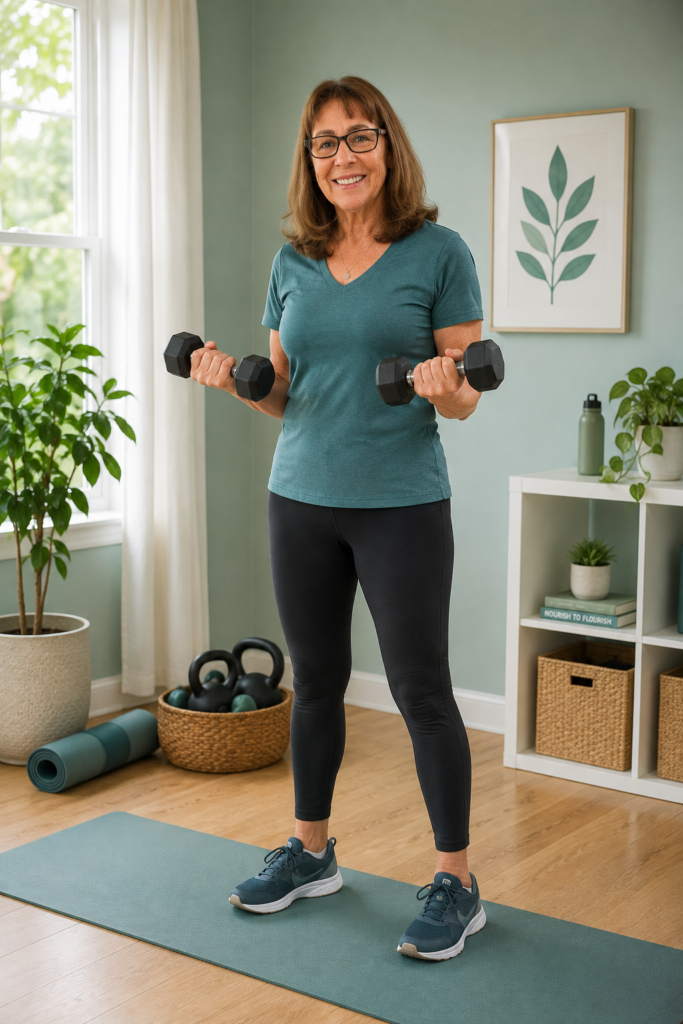
Muscle is not just about appearance.
We need muscle to:
- Get out of a chair
- Climb stairs
- Carry groceries
- Maintain balance
- Recover from illness
- Support glucose metabolism
- Protect physical independence
- Continue doing the activities we value
Muscle mass and strength tend to decline with age, and changes in lean mass can become particularly important through and after the menopause transition.
This makes adequate protein plus resistance exercise an important healthy-aging partnership.
Protein needs deserve more attention with age
The standard adult protein RDA is 0.8 grams per kilogram of body weight per day. However, expert groups studying healthy aging have suggested that many healthy older adults may benefit from approximately 1.0–1.2 grams per kilogram per day to help maintain lean body mass and function.
Needs can be higher during illness, recovery or other circumstances and should be individualized, particularly for people with kidney disease or other medical conditions affecting protein recommendations.
Rather than saving most protein for dinner, consider distributing protein-containing foods throughout the day.
Examples include:
- Eggs
- Greek yogurt or cottage cheese
- Fish and seafood
- Poultry
- Lean meats
- Beans and lentils
- Soy foods such as tofu, tempeh and edamame
- Nuts and seeds
- Dairy or fortified alternatives
The bigger message is simple:
Do not let healthy aging become an exercise in eating less and less.
We need enough nourishment to maintain the tissues that allow us to remain strong.
Brain Health Is Whole-Body Health
Many women become concerned about memory or “brain fog” during and after menopause.
Occasionally forgetting a name or walking into a room and forgetting why you went there can happen to healthy people. But persistent or worsening cognitive changes deserve medical evaluation rather than being automatically attributed to menopause or normal aging.
Brain health is influenced by far more than one nutrient.
Evidence increasingly supports viewing brain health across the lifespan through a combination of physical, psychological, social and environmental factors.
That includes:
- Cardiovascular health
- Blood pressure
- Blood sugar regulation
- Physical activity
- Sleep
- Smoking and alcohol exposure
- Mental health and chronic stress
- Social connection
- Hearing and sensory health
- Nutritional adequacy
This is another example of why the body’s systems cannot be separated neatly into individual boxes.
What supports the heart often supports the brain.
What strengthens muscle may improve metabolic health.
What improves sleep can influence cognition, appetite and recovery.
Longevity is interconnected.
B Vitamins: Important, but More Is Not Always Better
B vitamins participate in energy metabolism, nervous-system function, red blood cell production and many other biological processes.
A varied diet generally supplies multiple B vitamins through foods such as:
- Whole grains
- Beans and lentils
- Leafy vegetables
- Eggs
- Dairy foods
- Fish
- Meat and poultry
- Nuts and seeds
- Fortified foods
One B vitamin deserves particular attention with aging: vitamin B12.
Vitamin B12 is necessary for healthy red blood cells, DNA synthesis and nervous-system function. Some people become less able to absorb naturally occurring food-bound B12 as they age.
For this reason, adults over age 50 are often advised to obtain much of their recommended B12 from fortified foods or supplements, where the vitamin is already in a free form.
B12 deficiency can contribute to anemia and neurological problems. Risk may also be influenced by gastrointestinal disorders, bariatric surgery, vegan dietary patterns and certain medications.
But this does not mean everyone needs high-dose B-complex supplements.
The better approach is to consider dietary intake, medications, symptoms, health history and appropriate laboratory evaluation.
What About Iron and Anemia After Menopause?
This is an important distinction.
Once menstrual blood loss stops, women’s iron requirements generally decrease, not increase.
The recommended iron intake for adults age 51 and older is 8 mg per day, compared with 18 mg per day for women ages 19–50.
Therefore, routine high-dose iron supplementation is not automatically appropriate after menopause.
If a postmenopausal woman develops iron-deficiency anemia, the question should not simply be, “How much iron should I take?”
The more important question is:
Why is iron low?
Potential explanations can include inadequate intake, impaired absorption or gastrointestinal blood loss, among other causes.
Persistent fatigue, weakness, shortness of breath, dizziness, pallor or abnormal blood counts deserve appropriate medical evaluation.
Iron supplementation can be helpful when iron deficiency is established, but iron deficiency in a postmenopausal woman deserves investigation rather than being assumed to be a normal part of aging.
Heart and Metabolic Health Matter More, Too
Cardiovascular disease remains a major health concern for women, and the menopause transition is associated with changes in several cardiovascular risk factors.
Changes may include increases in LDL cholesterol, abdominal visceral fat and metabolic risk, along with changes in lean body mass.
This makes postmenopause an important time to know your numbers rather than waiting for symptoms.
Discuss appropriate monitoring of:
- Blood pressure
- Cholesterol and other lipids
- Blood glucose or A1C when indicated
- Weight and body-composition changes in context
- Family history and other cardiovascular risk factors
Nutrition patterns resembling Mediterranean- and DASH-style eating patterns have substantial evidence supporting cardiovascular health.
These patterns emphasize vegetables, fruits, beans and legumes, whole grains, nuts and seeds, healthy protein sources and unsaturated fats while limiting excessive sodium, added sugars and highly processed foods.
There is no single miracle food.
The pattern matters.
Fiber and the Gut Still Matter After Menopause
Plant foods contribute much more than vitamins and minerals.
Vegetables, fruits, legumes, whole grains, nuts and seeds provide fiber and a wide range of phytochemicals.
Fiber can support:
- Bowel regularity
- Gastrointestinal health
- Cholesterol management
- Blood sugar regulation
- Satiety
- A diverse food pattern that supports the gut microbiome
Rather than searching for a perfect “anti-inflammatory superfood,” consider how many different plant foods appear across your week.
Variety often gives us something a supplement bottle cannot: a complex mixture of fibers, nutrients and bioactive compounds within whole foods.
Healthy Fats and Omega-3s
Fat should not be feared simply because we are getting older.
The type and overall dietary pattern matter.
Foods supplying predominantly unsaturated fats include:
- Extra-virgin olive oil
- Nuts
- Seeds
- Avocado
- Fish
Fatty fish such as salmon, sardines, trout and mackerel also provide the long-chain omega-3 fatty acids EPA and DHA.
These foods can fit naturally into Mediterranean-style and other heart-supportive dietary patterns.
Supplements should not automatically replace food. Individual needs, medications and health conditions matter when deciding whether a supplement is appropriate.
Sleep Is Not Optional Maintenance
Sleep disruption is common around menopause, but persistent sleep problems should not simply be accepted as something women must tolerate forever.
Sleep affects far more than fatigue.
Adequate sleep supports mood, cognition, immune function, metabolic health and physical recovery.
Night sweats may disrupt sleep, but other conditions—including sleep apnea—can also occur in midlife and older adulthood.
If sleep remains poor, ask why.
Look at:
- Temperature and night sweats
- Alcohol
- Caffeine timing
- Stress
- Medication effects
- Pain
- Restless legs
- Snoring or possible sleep apnea
- Sleep routines and environment
Again, symptoms are clues.
The Longevity Conversation Is Really a Function Conversation
Living longer is valuable, but lifespan is only one measure.
Healthspan refers to the years of life spent in relatively good health and function.
That shifts our focus from simply asking, “How do I live longer?” to questions such as:
Can I get off the floor independently?
Can I carry my groceries?
Can I walk comfortably?
Can I maintain my balance?
Can I prepare nourishing meals?
Can I stay connected with people?
Can I continue learning?
Can I recover from an illness or injury?
Can I keep doing the things that give my life meaning?
Those are powerful nutrition and lifestyle goals.
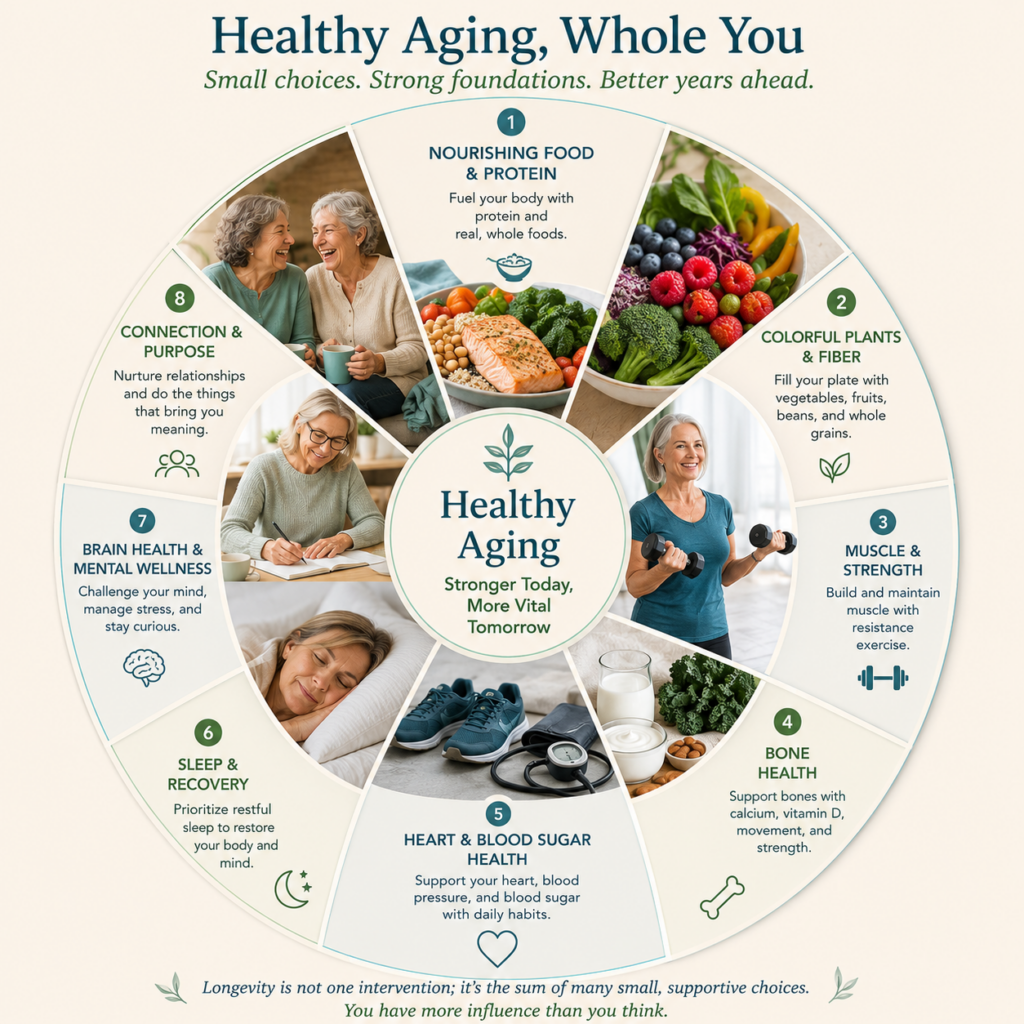
A Practical Postmenopause Longevity Foundation
You do not need 25 new supplements or an elaborate anti-aging protocol.
Start with the foundations.
1. Nourish your muscle
Include a meaningful protein source at meals and combine adequate nutrition with regular resistance exercise.
2. Protect your bones
Meet calcium and vitamin D needs, include adequate protein and participate in appropriate weight-bearing and resistance activity. Discuss bone-density screening based on your age and risk.
3. Eat plants in variety
Build meals around vegetables, fruits, legumes, whole grains, nuts, seeds and other minimally processed plant foods you enjoy and tolerate.
4. Support your heart and blood sugar
Know your blood pressure, lipids and glucose status and use an overall dietary pattern that supports cardiovascular and metabolic health.
5. Don’t overlook B12
Especially after age 50, consider whether fortified foods, supplements, medications or absorption issues need to be discussed with your healthcare professional.
6. Don’t automatically take iron
Iron needs generally decline after menopause. Confirm deficiency and investigate its cause rather than assuming fatigue means you need an iron supplement.
7. Build strength deliberately
Walking is wonderful, but include strength, balance and mobility work appropriate to your abilities.
Movement is support, not punishment.
8. Protect sleep and recovery
Persistent poor sleep is health information. Investigate patterns rather than simply pushing through exhaustion.
9. Stay socially and mentally engaged
Healthy aging is not purely nutritional. Relationships, purpose, learning, meaningful activity and connection are part of whole-person health.
10. Reduce inflammatory load without chasing perfection
Smoking, physical inactivity, chronically inadequate sleep, poorly controlled blood pressure or glucose, low-quality dietary patterns and other health factors can accumulate.
You do not have to correct everything at once.
Identify. Reduce. Replace. Sustain.
What About Supplements?
Supplements can be useful, but “postmenopausal” is not a diagnosis of nutrient deficiency.
Calcium, vitamin D, B12, iron, omega-3 fats, magnesium and other nutrients are frequently marketed to women as they age. Whether any individual supplement is needed depends on food intake, laboratory findings when appropriate, medications, absorption, medical history and other factors.
Some nutrients can also be harmful in excessive amounts or interact with medications.
A food-first approach, combined with targeted supplementation when there is a reason for it, is generally more useful than accumulating a large collection of “longevity” supplements.
When Should You Seek Medical Evaluation?
Talk with your healthcare professional if you experience unexplained or persistent:
- Fatigue or weakness
- Shortness of breath
- Significant loss of strength
- Unintentional weight loss
- Recurrent falls
- Bone fractures after minor trauma
- New or worsening memory or cognitive problems
- Gastrointestinal bleeding or black stools
- Significant changes in bowel habits
- Persistent sleep problems
- New neurological symptoms
Women age 65 and older should also discuss osteoporosis screening, and younger postmenopausal women may need screening based on fracture risk.
Preventive care matters even when you feel well.
The Bottom Line
Postmenopause is not the end of the health conversation. In many ways, it is the beginning of a new one.
Your nutritional priorities may shift. Protecting muscle becomes increasingly important. Bone deserves deliberate attention. B12 absorption may become less reliable. Iron needs usually decline. Heart, metabolic and brain health become increasingly interconnected with the way we eat, move, sleep and live.
And longevity is not built by finding one perfect supplement.
It is built through repeated patterns.
Eat enough protein and nourishing food. Use your muscles. Challenge your bones safely. Eat plants in variety. Protect your sleep. Know your health numbers. Stay connected. Investigate important symptoms instead of dismissing them as “just aging.”
Most importantly, do not let healthy aging become another impossible standard to meet.
The goal is reduction of inflammatory load, not perfection.
Your body continues to leave clues throughout life. Notice the patterns, ask better questions and choose the next realistic action that helps you remain strong, capable and engaged in the life you want to live.
References
- National Institutes of Health, Office of Dietary Supplements. Calcium: Fact Sheet for Health Professionals.
- National Institutes of Health, Office of Dietary Supplements. Vitamin D: Fact Sheet for Health Professionals.
- National Institutes of Health, Office of Dietary Supplements. Iron: Fact Sheet for Consumers.
- U.S. Preventive Services Task Force. Osteoporosis to Prevent Fractures: Screening. 2025.
- El Khoudary SR, et al. Menopause Transition and Cardiovascular Disease Risk: Implications for Timing of Early Prevention. Circulation. 2020.
- Bauer JM, et al. Protein and Older Persons. Clin Geriatr Med. 2015.
- Deutz NEP, et al. Protein Intake and Exercise for Optimal Muscle Function With Aging: Recommendations From the ESPEN Expert Group. Clinical Nutrition. 2014.
- American Heart Association. Brain Health Across the Life Span: A Framework for Future Studies. Stroke. 2026.
- Lichtenstein AH, et al. 2026 Dietary Guidance to Improve Cardiovascular Health: A Scientific Statement From the American Heart Association. Circulation. 2026.
Write Reviews
Leave a Comment
No Comments & Reviews