30 Oct, 2026 | Stephanie Sanders | No Comments
Anxiety and Inflammation: When the Immune System and Stress Response Interact
Can inflammation make us feel more anxious, more easily startled, or unusually sensitive to our surroundings?
By Stephanie Larmour Sanders, MS, RDN, CDE, FNLP
Anti-Inflammatory Dietitian and Nutritionist
Many people think of anxiety as an emotional response to a stressful situation.We worry about our families, finances, health, responsibilities, or unexpected changes in life. But what happens when anxiety seems to increase even though nothing particularly stressful has occurred?
What if you notice that you startle more easily, feel unusually nervous about driving, or have difficulty relaxing at the same time that your physical symptoms are increasing? Could the immune system be contributing to the way the nervous system responds?
Researchers studying psychoneuroimmunology, the relationship between the brain, nervous system, endocrine system, and immune system, are investigating these questions.The emerging picture suggests that inflammation and stress influence one another. However, this relationship is complex, and not every episode of anxiety is caused by inflammation.
Our goal is to understand the possible connections without overlooking other explanations.
1. What Happens During the Stress Response?
The stress response is one of the body’s protective systems.When the brain perceives danger or a challenge, the sympathetic nervous system becomes more active.This is commonly called the fight-or-flight response.
The body may respond with:
- A faster heartbeat
- Changes in breathing
- Increased muscle tension
- Greater alertness
- Increased sensitivity to sounds or movement
- Changes in digestion
- A feeling of nervousness or uneasiness
The adrenal glands release stress-related hormones, including adrenaline and cortisol, through coordinated nervous-system and hormonal pathways.These responses are useful when we need to react quickly to danger.
But when the stress response remains highly reactive, everyday situations may begin to feel more difficult.Someone might become startled by a sudden noise, feel overwhelmed in traffic, or experience physical anxiety without understanding why.
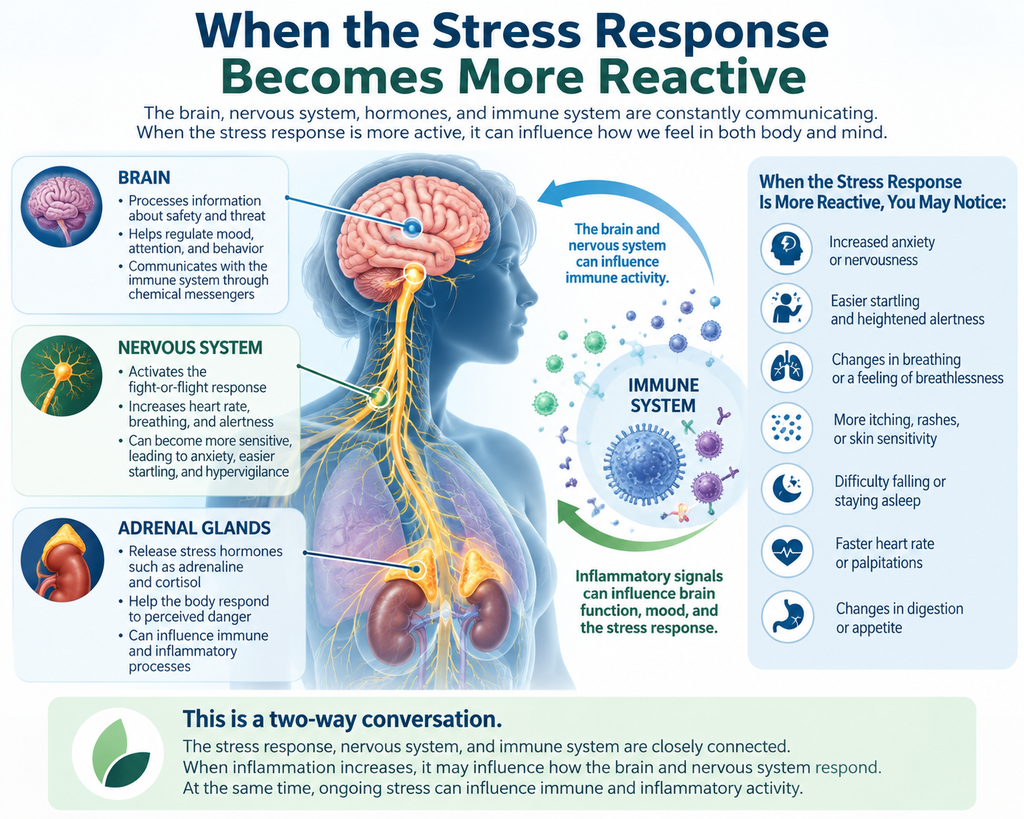
This picture shows “When the Stress Response Becomes More Reactive.” It shows the brain, adrenal glands, nervous system, and immune system.
2. Can Inflammation Influence Anxiety?
Inflammation is part of the body’s normal defense and repair process.When we have an infection, injury, or inflammatory condition, immune cells release chemical messengers called cytokines. Some cytokines help coordinate immune activity and healing. Others can influence communication between the immune system and brain.
Researchers are particularly interested in:
| Inflammatory messenger | Why researchers study it |
|---|---|
| IL-6 (interleukin-6) | Involved in immune signaling and stress-related inflammatory responses |
| TNF-alpha (tumor necrosis factor-alpha) | Helps regulate inflammatory activity and may affect brain signaling |
| IL-1 beta (interleukin-1β) | Participates in immune responses and illness-related changes in behavior |
| CRP (C-reactive protein) | A blood marker used to assess systemic inflammation, although it does not identify its cause |
Inflammatory signals may influence brain networks involved in mood, motivation, sleep, and threat detection. Scientists are also investigating whether some inflammatory signals can increase the sensitivity of brain regions such as the amygdala, which helps process potential threats.This may help explain why certain people experience anxiety-like symptoms during inflammatory illness.
However, much of the mechanistic research is still experimental. We cannot conclude that a particular cytokine is responsible for an individual’s anxiety.
What recent research suggests
A 2025 study using a mouse model of psoriasis found that inflammatory cytokine signaling could influence amygdala activity and anxiety-like behavior. This is intriguing because it offers a possible biological pathway connecting skin inflammation and behavioral changes.
But animal research does not establish that the same process explains anxiety in humans.
A 2025 review of neuroinflammation in anxiety disorders and PTSD also emphasized that the evidence is promising but not yet sufficient to guide routine anti-inflammatory treatment specifically for anxiety.
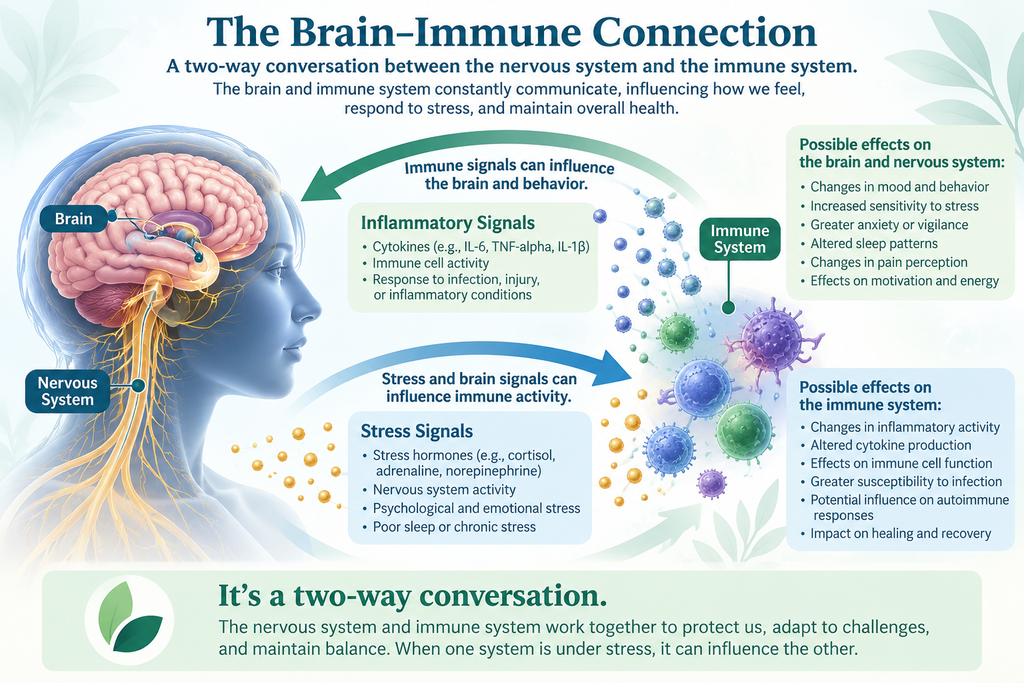
A simple two-way diagram titled “The Brain–Immune Connection.” Show immune signaling traveling toward the brain and stress signals influencing immune activity.
3. The Relationship Goes in Both Directions
We often think about stress contributing to inflammation.But the opposite direction may also matter.
Stress may influence inflammation, and inflammatory activity may influence the way we experience stress.
Consider this possible pattern:
- A person experiences an inflammatory illness, pain, or disrupted sleep.
- Physical discomfort and immune signaling may increase nervous-system sensitivity.
- The person feels more anxious, vigilant, or easily startled.
- Increased stress interferes with sleep or recovery.
- Poor sleep and ongoing stress may contribute to further physiological strain.
This is a possible reinforcing cycle, not a sequence that occurs in everyone.
A major 2026 review of psychoneuroimmunology described how long-term stress, social relationships, depression, and behavioral factors can influence immune and endocrine function.
Importantly, a separate 2026 meta-analysis found that associations between psychological distress and acute inflammatory responses were not uniform. Depressive symptoms showed a small association with certain inflammatory responses, while the available anxiety data did not show the same consistent result.
The research supports investigating the connection, not assuming that anxiety always means inflammation is elevated.
4. Stephanie Says: When My Body Feels More Reactive
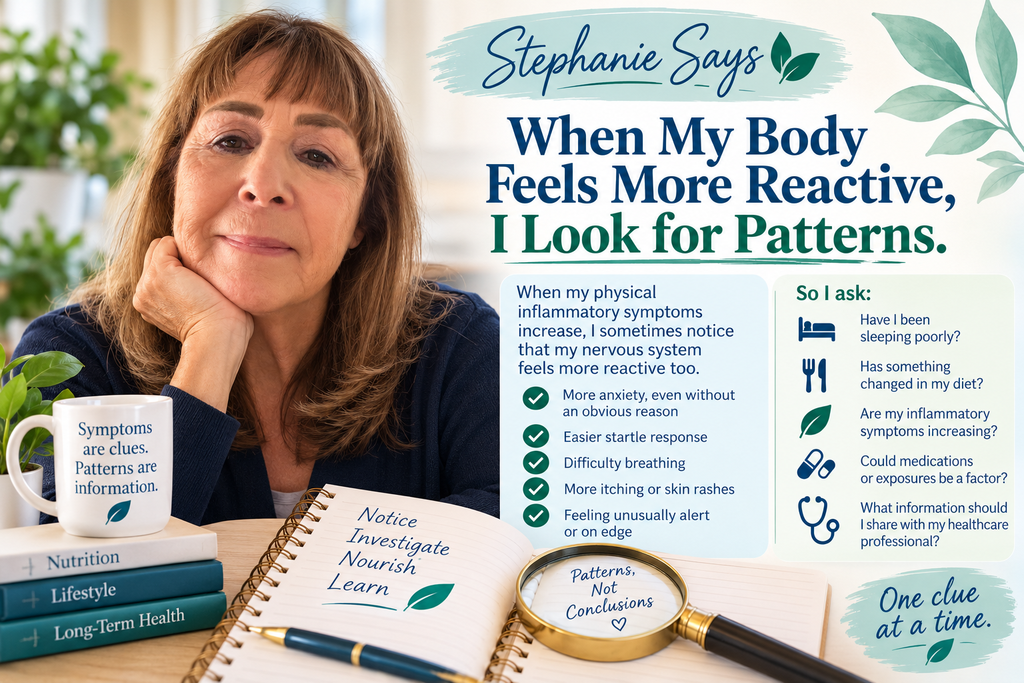
I have noticed something interesting in my own health journey
Important safety note: Difficulty breathing together with itching, hives, or a rash can indicate a serious allergic reaction. These symptoms should not be presumed to be anxiety or ordinary inflammation. Sudden or significant breathing difficulty, especially with swelling, throat tightness, dizziness, or hives, requires emergency care.
“When My Body Feels More Reactive, I Look for Patterns.”
5. Why Anxiety, Itching, Rashes, and Breathing Changes May Occur Together
The skin, lungs, immune system, and nervous system communicate through several pathways.One important group of immune cells is called mast cells. Mast cells participate in immune defense and allergic reactions. When activated, they may release substances such as histamine and other inflammatory mediators.
Depending on the circumstances, these mediators can contribute to:
- Itching
- Hives or flushing
- Skin redness
- Nasal or airway symptoms
- Gastrointestinal discomfort
Some allergic reactions can also produce a sudden feeling of anxiety or impending danger.
Stress can influence itching and certain inflammatory skin conditions, but the combination of rash and breathing difficulty requires medical evaluation before it is attributed to stress.
Possible explanations include allergic reactions, asthma or other airway conditions, medication reactions, and several other medical causes. The term mast cell activation syndrome refers to a specific medical condition with diagnostic requirements. It should not be inferred simply because itching, anxiety, and breathing symptoms occur together.
This is an important example of why we need to investigate symptoms carefully.
A safety distinction worth remembering
If someone experiences new or severe difficulty breathing together with hives, swelling, throat tightness, faintness, or a rapidly developing rash, emergency treatment may be necessary. For those at risk of anaphylaxis, a healthcare professional may prescribe epinephrine and provide an emergency action plan.
Nutrition, relaxation, and symptom tracking are not substitutes for emergency treatment.
6. Sleep, Chronic Stress, and the Inflammatory Burden
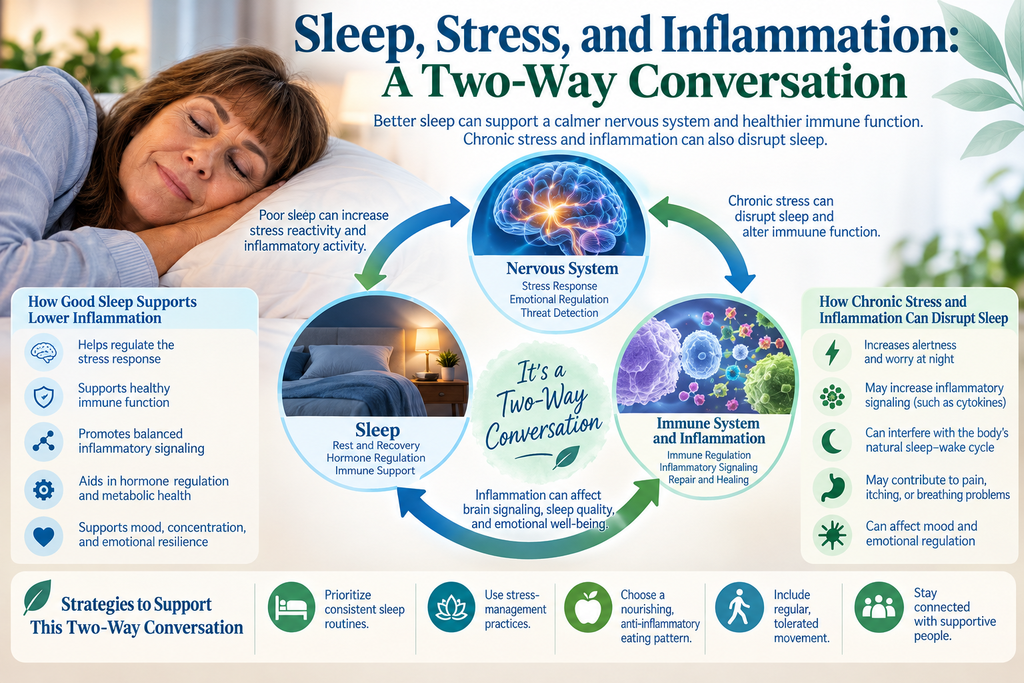
Sleep deserves particular attention.During healthy sleep, the body regulates many processes involved in immune function, metabolic health, and nervous-system recovery.
Poor sleep may contribute to:
- Increased emotional reactivity
- Difficulty concentrating
- Greater pain sensitivity
- Changes in appetite and blood glucose regulation
- Altered immune and inflammatory signaling
When someone is already dealing with pain, itching, breathing problems, or anxiety, interrupted sleep may make the following day more challenging.
The important question is not simply, “How many hours did I sleep?”
It is also:
“What interrupted my sleep, and does the same pattern keep repeating?”
For example, nighttime itching, breathing disturbances, restless legs, pain, and sleep apnea deserve different evaluations and approaches.
“Sleep, Stress, and Inflammation: A Two-Way Conversation.” Sleep continuity, immune regulation, and nervous-system recovery.
7. What About Veterans and People Living With PTSD?
Military service members and veterans may experience particularly intense or prolonged stress exposures. Some live with post-traumatic stress disorder, or PTSD, following combat, military sexual trauma, accidents, or other traumatic experiences.
PTSD can involve:
- Hypervigilance, or feeling constantly on guard
- Exaggerated startle responses
- Disturbing memories or nightmares
- Avoidance of trauma reminders
- Sleep disruption
- Changes in mood and concentration
Researchers have also investigated inflammatory markers in people with PTSD.
A 2026 meta-analysis involving 32 studies found that people with PTSD had, on average, modestly higher CRP levels than control groups. The finding suggests an association between PTSD and systemic inflammation, but it does not establish that inflammation causes PTSD.
A 2025 study following 82 U.S. military veterans with PTSD found that higher initial CRP was associated with greater later PTSD symptom severity. Because this was an observational study, it does not prove that lowering CRP would improve PTSD.
PTSD is a trauma-related condition, not a consequence of eating the wrong foods.
Nutrition, physical activity, sleep support, and stress-management practices may support overall health, but they do not replace evidence-based PTSD care. Treatments with strong support include Cognitive Processing Therapy (CPT), Prolonged Exposure (PE), and Eye Movement Desensitization and Reprocessing (EMDR).
The same principle applies outside the military. People who have experienced accidents, abuse, medical trauma, or other overwhelming events deserve thoughtful, individualized care.
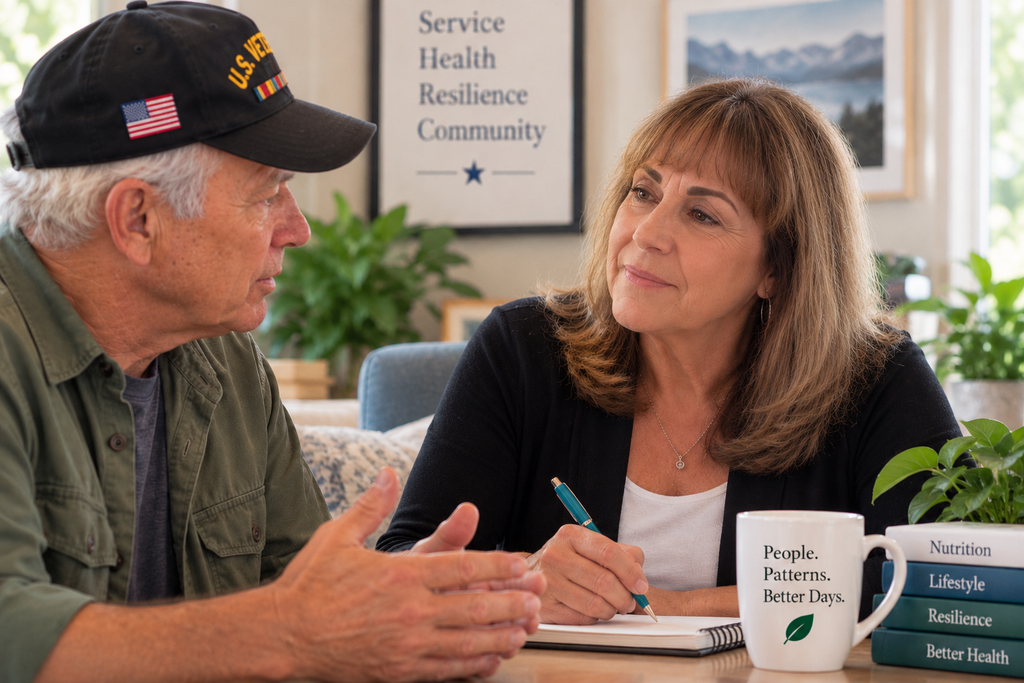
An older veteran speaking with a supportive healthcare professional providing Nutrition and Health Coaching.
8. Can Anti-Inflammatory Nutrition Help Support the Stress Response?
Nutrition cannot cure PTSD or reliably eliminate anxiety. However, eating patterns that support cardiovascular, metabolic, and immune health may be a valuable part of a comprehensive care plan. Rather than focusing on one supposedly powerful anti-inflammatory food, I encourage people to consider the overall pattern.
Include a variety of tolerated plant foods
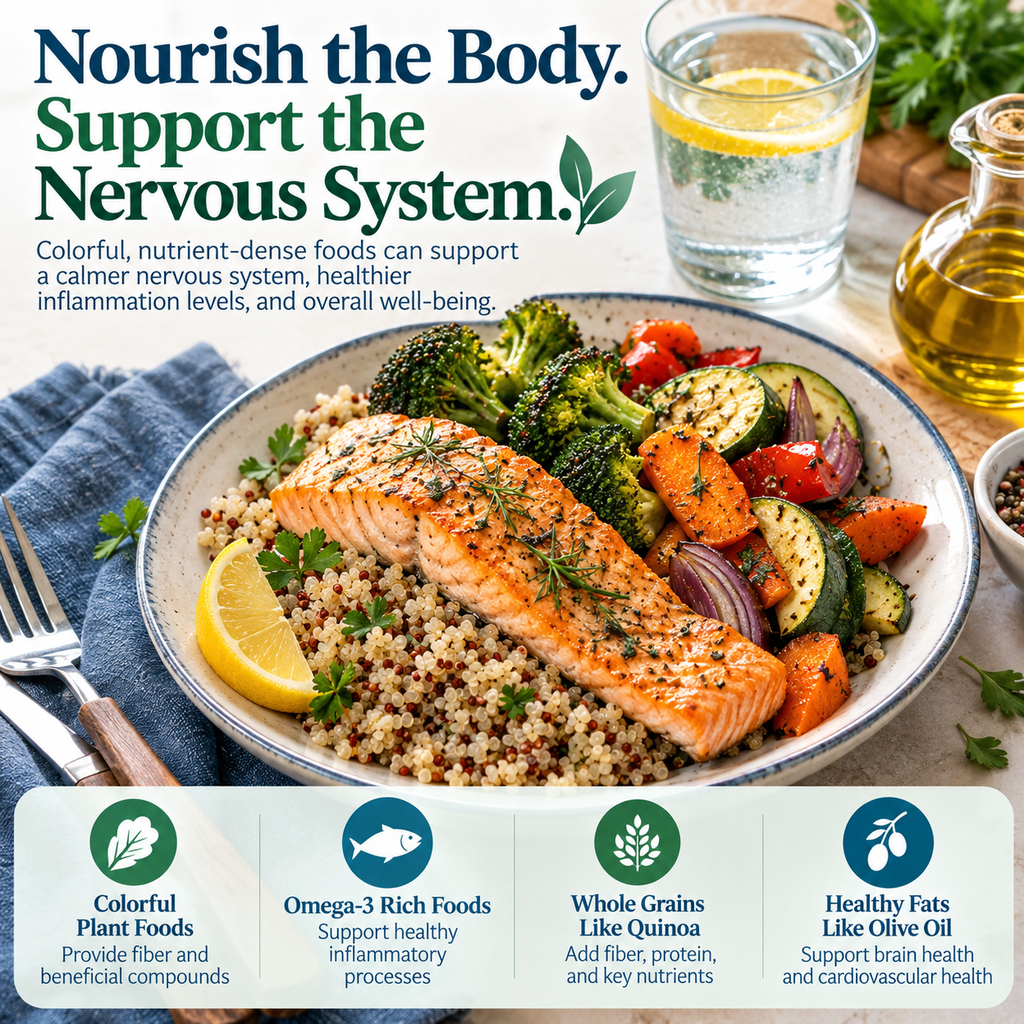
Vegetables, fruits, legumes, nuts, seeds, and whole grains provide fiber and numerous phytochemicals. These foods support nutritional adequacy and may contribute to healthier inflammatory and metabolic regulation.
Include omega-3-rich foods
Salmon, sardines, trout, walnuts, chia seeds, and flaxseeds provide different forms of omega-3 fatty acids. Omega-3 fats participate in normal cell signaling and inflammatory regulation. Evidence for omega-3 supplements as a treatment for anxiety remains insufficient to recommend them as a replacement for established care.
Pay attention to meal regularity
Long gaps between meals, inadequate intake, and poorly managed blood glucose can sometimes produce sensations that resemble or intensify anxiety. These may include shakiness, sweating, palpitations, or difficulty concentrating.
People taking glucose-lowering medications should be especially attentive to symptoms of hypoglycemia.
Consider individual food tolerance
A food considered healthy for one person may not be well tolerated by another. People with allergies, celiac disease, or specific gastrointestinal conditions may need individualized dietary guidance.
I do not recommend eliminating entire food groups solely because someone suspects inflammation.
Remember hydration and stimulants
Dehydration and excessive caffeine may contribute to physical discomfort or anxiety-like sensations in some people.
The goal is not perfection. It is to create a nourishing, realistic eating pattern that supports the body without introducing unnecessary food fear.
“Nourish the Body. Support the Nervous System.”
9. Other Lifestyle Factors Worth Investigating
An anti-inflammatory lifestyle involves more than food.
Movement
Regular, appropriate physical activity can support mood, sleep, cardiovascular health, and metabolic regulation. For someone experiencing pain or limited mobility, swimming, gentle strengthening, or other tolerated movement may be more realistic than a demanding exercise program.
Stress-management practices
Mindfulness, relaxation exercises, and other evidence-based approaches may help reduce perceived stress and anxiety for some people. The National Center for Complementary and Integrative Health reports encouraging evidence for several mindfulness-based approaches. These strategies should complement, not replace, treatment when an anxiety disorder or PTSD is present.
Social connection
Supportive relationships can influence stress regulation and emotional well-being. Isolation, chronic caregiving demands, and persistent interpersonal stress can add to the body’s overall burden.
Medical evaluation
When anxiety occurs with rashes, breathing symptoms, palpitations, dizziness, or medication changes, appropriate medical assessment is essential.
Not every physical symptom accompanying anxiety is caused by the nervous system.
10. Become the Detective: A Seven-Day Observation Exercise
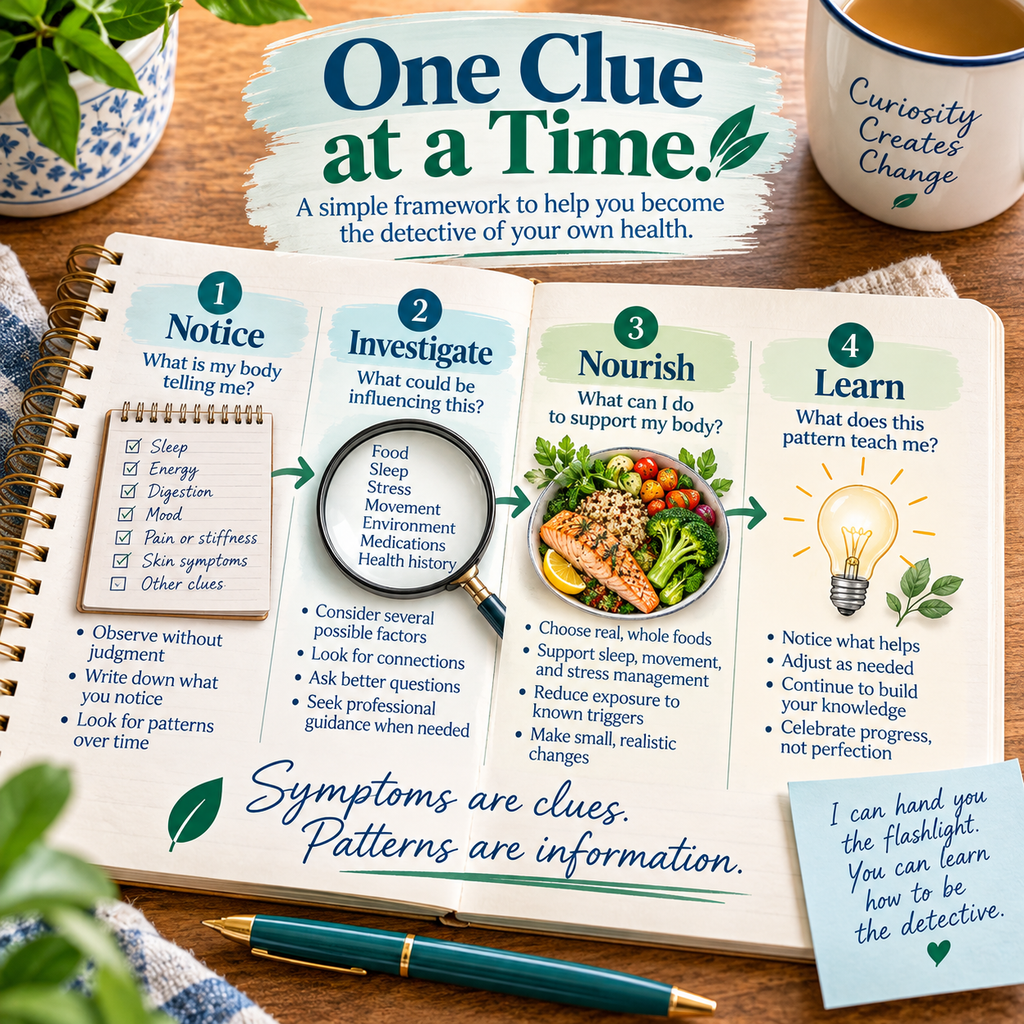
Instead of changing everything at once, choose a few symptoms to observe for seven days.
| What to notice | Questions to ask |
|---|---|
| Anxiety or startle response | When did it begin? What was happening? |
| Skin symptoms | Was there itching, flushing, or a rash? |
| Breathing | Was there coughing, wheezing, or shortness of breath? |
| Sleep | How rested did I feel? What interrupted my sleep? |
| Food and medications | Did anything change from my usual routine? |
| Stress and environment | Were there unusual demands, exposures, or activities? |
Record what happens, when it happens, and how long it lasts. Avoid deliberately exposing yourself to suspected triggers to test a theory. If symptoms are severe, rapidly progressing, or involve breathing difficulty, seek appropriate care rather than waiting to complete a journal. A symptom record can help you and your healthcare professional identify what deserves further investigation.
Their are four stages to investigating your symptoms.
Notice → Investigate → Nourish → Learn and the headline “One Clue at a Time.”
11. What Does the Research Tell Us in 2026?
Several recent publications help clarify what we know and what remains uncertain.
2025: Immune activation and anxiety-like behavior. Experimental research in a psoriasis mouse model identified a potential connection between inflammatory cytokines and brain circuits involved in anxiety. This is mechanistic evidence, not proof of the same pathway in an individual patient.
2025: Neuroinflammation and anxiety disorders. A major review concluded that immune-related pathways deserve continued investigation, but their role in anxiety disorders and PTSD is not yet sufficiently established to guide routine inflammation-targeted psychiatric treatment.
2026: Stress and inflammatory reactivity. A systematic review and meta-analysis found small associations for depressive symptoms but not a consistent association for anxiety symptoms in the available acute-stress studies. Results differed by outcome and study population.
2026: PTSD and CRP. A meta-analysis found a modest average elevation in CRP among people with PTSD. The researchers emphasized that the findings could not establish whether elevated CRP reflected an acute response, chronic PTSD, or other contributing factors.
2026: Long-term stress and immune health. A major psychoneuroimmunology review described how social adversity, depression, and chronic stress can influence immune function and inflammatory processes.
The overall message is that the brain and immune system are closely connected, but we still need better research to determine which patients may benefit from specific inflammation-focused treatments for anxiety.
12. Stephanie Says: Symptoms Are Signals, Not Conclusions
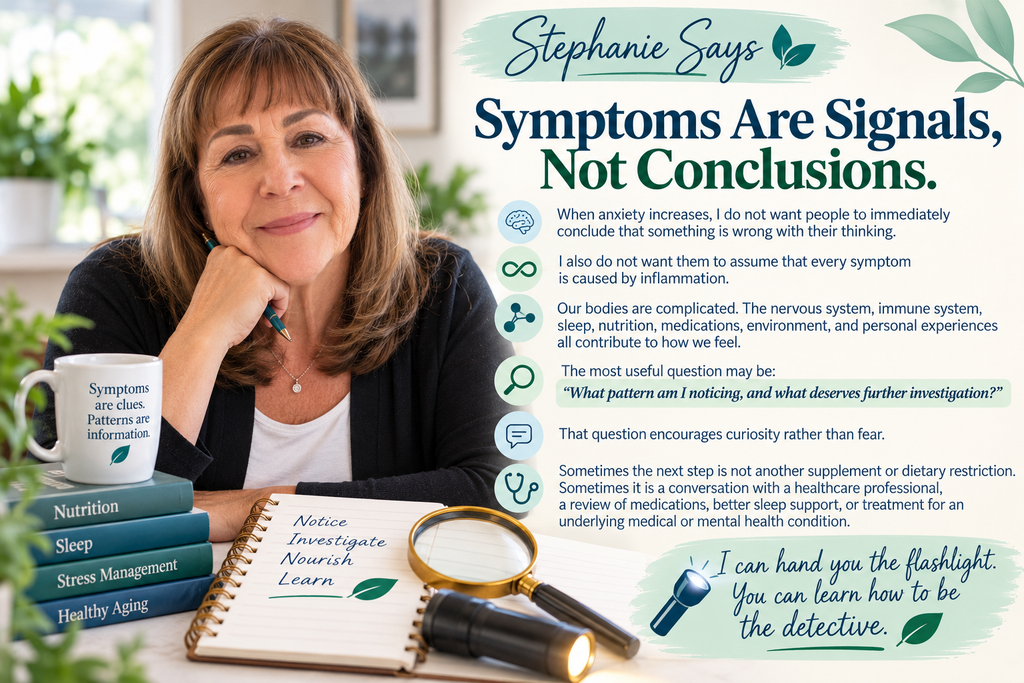
Our bodies are complicated.
The nervous system, immune system, sleep, nutrition, medications, environment, and personal experiences all contribute to how we feel.
The most useful question may be:
“What pattern am I noticing, and what deserves further investigation?”
That question encourages curiosity rather than fear.
And sometimes the next step is not another supplement or dietary restriction.
Sometimes it is a conversation with a healthcare professional, a review of medications, better sleep support, or treatment for an underlying medical or mental health condition.
I can hand you the flashlight. You can learn to become the detective.
13. Continue Learning
My course, Detecting and Reducing Pro-Inflammatory Lifestyle Factors in 30 Days, is designed to help people become more aware of lifestyle patterns that may influence their health.It encourages thoughtful observation, practical nutrition choices, and small, sustainable changes.
The course is educational and is not a treatment for anxiety disorders, PTSD, allergic reactions, or other medical conditions. Visit StephanieLarmour.com and select Course to learn more.
References and Further Reading
- Kiecolt-Glaser JK. Four Decades of Stress, Depression, and Close Relationships: Lessons from Psychoneuroimmunology. Annual Review of Psychology. Online August 2026. https://doi.org/10.1146/annurev-psych-020226-033326
- Madison AA, et al. The effect of distress on circulating and stimulated inflammatory responses to acute stress: a systematic review and meta-analysis. Brain, Behavior, and Immunity. September 2026. https://doi.org/10.1016/j.bbi.2026.107029
- Sah A, Singewald N. The (neuro)inflammatory system in anxiety disorders and PTSD: Potential treatment targets. Pharmacology & Therapeutics. 2025. https://doi.org/10.1016/j.pharmthera.2025.108825
- Lewis S. Getting anxious about immune system activation. Nature Reviews Neuroscience. 2025. https://www.nature.com/articles/s41583-025-00928-z
- Yang L, et al. Peripheral blood levels of C-reactive protein in posttraumatic stress disorder: a systematic review and meta-analysis. Frontiers in Psychiatry. 2026. https://doi.org/10.3389/fpsyt.2026.1839701
- Wolf EJ, et al. C-Reactive Protein as a Possible Indicator of PTSD Prognosis and Comorbid Anhedonia. 2025. https://pmc.ncbi.nlm.nih.gov/articles/PMC11903140/
- National Center for Complementary and Integrative Health. Stress. https://www.nccih.nih.gov/health/stress
- American Academy of Allergy, Asthma & Immunology. Anaphylaxis. https://www.aaaai.org/tools-for-the-public/conditions-library/allergies/anaphylaxis
- U.S. Department of Veterans Affairs. Overview of Psychotherapy for PTSD. https://www.ptsd.va.gov/professional/treat/txessentials/overview_therapy.asp
Educational disclaimer: This article is intended for general nutrition and health education. It does not provide a diagnosis or replace individualized medical or mental health care. Sudden breathing difficulty, especially with rash, hives, or swelling, requires urgent medical attention.
Write Reviews
Leave a Comment
No Comments & Reviews