18 Jun, 2026 | Stephanie Sanders | No Comments
Why Do People Wait Until It Is Too Late?
Chronic Inflammation, Chronic Disease, and the Challenge of Lifestyle Change
By Stephanie Larmour Sanders, MS, RDN, CDE, FNLP
Anti-Inflammatory Dietitian and Nutritionist
For many years, researchers and clinicians have recognized that chronic inflammation is connected to many of the most common chronic diseases affecting adults today.
According to physician and nutrition researcher Joel Fuhrman, inflammation is not simply a symptom of disease. It is often part of the process that drives disease progression.
Research has linked chronic inflammation to conditions such as:
- Heart disease
- Type 2 diabetes
- Obesity
- Arthritis
- Autoimmune disorders
- Alzheimer’s disease
- Certain cancers
- Metabolic syndrome
While acute inflammation is a normal and necessary part of healing, chronic inflammation is different.
Acute inflammation helps repair injuries and fight infections. It is usually short-lived and beneficial.
Chronic inflammation is a low-grade inflammatory response that can continue for months or years. During this time, tissues may be exposed to ongoing inflammatory signals that gradually contribute to damage throughout the body.
Many people do not realize that symptoms such as:
- Fatigue
- Brain fog
- Joint discomfort
- Digestive problems
- Poor sleep
- Blood sugar swings
- Weight gain
may be clues that inflammatory burden is increasing.
The challenge is that inflammation often develops quietly. Symptoms may appear gradually and become “normal” to the person experiencing them.
Why Don’t People Change Earlier?
As a dietitian, I have observed an interesting pattern.
Most people do not make major lifestyle changes when they first notice symptoms. One of my patients was very knowledegable about this medicaton , he was diabetic, m obese adn had neuropathy
Instead, many wait until:
- They receive a diagnosis.
- They require medication.
- They experience a health scare.
- Their symptoms interfere with daily life.
Why does this happen?
We Are Wired for Immediate Rewards
The human brain naturally prioritizes immediate comfort over future benefits. Eating a highly processed food provides an immediate reward. Reducing inflammation may not produce a noticeable benefit for weeks or months. As a result, the brain often chooses short-term pleasure over long-term health.
Symptoms Develop Slowly
Many chronic diseases develop over years or decades. A person may not notice small changes in energy, sleep quality, memory, blood sugar, or weight because the changes occur gradually. When symptoms appear slowly, it becomes easy to dismiss them.
We Often Feel Invincible
When we are younger, we assume serious illness happens to someone else. We believe there will always be time later to exercise, improve our diet, reduce stress, or prioritize sleep. Unfortunately, disease processes often begin long before symptoms become obvious.
Lifestyle Change Can Feel Overwhelming
Many people know they should make healthier choices. The problem is not lack of information. The problem is feeling overwhelmed. When someone believes they must completely change everything overnight, they often do nothing at all.
The Cost of Waiting
One of the most important lessons I learned during my healthcare career is that symptoms are often signals. The body frequently gives clues long before disease becomes severe.
Think of symptoms as warning lights on a dashboard. Ignoring the warning light does not make the problem disappear. The earlier we respond to those signals, the greater our opportunity to influence our future health.
How Do We Motivate Positive Change?
The answer is not fear. Fear may create temporary action, but it rarely creates lasting change. Instead, motivation often grows from awareness, hope, and small successes.
Become a Health Detective
Most people spend years chasing symptoms. Detectives look for clues. Fatigue is a clue.Brain fog is a clue. Digestive discomfort is a clue. Joint pain is a clue.
Instead of asking:
“What is wrong with me?”
Ask:
“What is my body trying to tell me?”
When people begin connecting symptoms to possible lifestyle factors, they become active participants in their own health journey.
Focus on Small Wins
Research consistently shows that small sustainable changes are more effective than extreme approaches.
Examples include:
- Adding one serving of vegetables daily
- Walking 15 minutes after dinner
- Improving sleep habits
- Drinking more water
- Reducing ultra-processed foods
- Managing stress through daily practices
Small wins build confidence.Confidence builds momentum. Momentum creates lasting change.
Create a Positive Vision
Most people are motivated not by avoiding disease but by improving quality of life.
They want:
- More energy
- Better sleep
- Less pain
- Better mobility
- Clearer thinking
- More time with family
- Greater independence as they age
These positive outcomes are often more motivating than statistics alone.
Education Creates Empowerment
When people understand how lifestyle factors influence inflammation, they gain something powerful: Choice.
They begin to realize that many daily habits influence health outcomes over time. No single choice determines our future. However, repeated choices create patterns. Those patterns influence inflammation, and inflammation influences health.
A Final Thought
Many people wait until symptoms become severe before taking action. What if we did the opposite? What if we viewed symptoms as clues instead of inconveniences? What if we became detectives rather than passive observers? My goal has never been simply to provide information. My goal is to help people recognize patterns, ask better questions, and understand what their body may be trying to communicate.
As I often say: “I can hand you the flashlight. The course teaches you how to become the detective.” The best time to improve your health was years ago. The second-best time is today. While acute inflammation is a normal and necessary part of healing, chronic inflammation is different. Acute inflammation helps repair injuries and fight infections. It is usually short-lived and beneficial. Chronic inflammation is a low-grade inflammatory response that can continue for months or years. During this time, tissues may be exposed to ongoing inflammatory signals that gradually contribute to damage throughout the body.
Many people do not realize that symptoms such as:
- Fatigue
- Brain fog
- Joint discomfort
- Digestive problems
- Poor sleep
- Blood sugar swings
- Weight gain
may be clues that inflammatory burden is increasing.
The challenge is that inflammation often develops quietly. Symptoms may appear gradually and become “normal” to the person experiencing them.
17 Jun, 2026 | Stephanie Sanders | No Comments
The Chemistry of Color: How Plant Molecules Support Health, Reduce Inflammation, and Aid Detoxification
Stephanie Larmour Sanders MSRDN, CDE, FNLP
Antiinflammation Dietitian and Nutritionist
When most people look at a blueberry, tomato, carrot, or broccoli, they see food.
A health detective sees something more.
A health detective sees clues.
The deep blue color of a blueberry, the bright orange of a sweet potato, the rich red of a tomato, and the vibrant green of broccoli all tell a story.
These colors are not accidental.They are created by specialized plant compounds called phytonutrients.
Color Is Chemistry Made Visible


Every fruit and vegetable contains thousands of molecules.
Some of the most beneficial contain structures called aromatic rings and hydroxyl groups.
The combination of these structures often contributes to the antioxidant properties of phytonutrients.
In simple terms:
The molecules that create color are often the same molecules that help protect cells.
Red Foods: Lycopene


Examples:
- Tomatoes
- Watermelon
- Pink grapefruit
- Strawberries
- Red peppers
Lycopene contains long chains of alternating double bonds that help neutralize reactive oxygen species.
Potential Benefits:
- Cardiovascular support
- Cellular protection
- Prostate health support
Orange and Yellow Foods: Carotenoids


Examples:
- Carrots
- Sweet potatoes
- Pumpkin
- Butternut squash
Potential Benefits:
- Eye health
- Immune support
- Skin health
- Antioxidant protection
Green Foods: Sulforaphane and Chlorophyll


Examples:
- Broccoli
- Kale
- Brussels sprouts
- Spinach
Sulforaphane activates Nrf2(Nuclear factor erythroid 2) , often called the body’s master antioxidant switch.
Potential Benefits:
- Supports glutathione production
- Supports detoxification enzymes
- Cellular protection
Blue and Purple Foods: Anthocyanins


Examples:
- Blueberries
- Blackberries
- Purple cabbage
- Purple sweet potatoes
Potential Benefits:
- Brain health
- Healthy aging
- Vascular support
- Antioxidant protection
White Foods: Organosulfur Compounds


Examples:
- Garlic
- Onions
- Mushrooms
- Cauliflower
Potential Benefits:
- Immune support
- Healthy inflammatory response
- Detoxification support
Phytonutrients and Detoxification


The body already has sophisticated detoxification systems.
Major detoxification organs include:
- Liver
- Kidneys
- Gastrointestinal tract
- Lungs
- Skin
- Lymphatic system
Phytonutrients support these systems by helping activate protective enzymes, supporting glutathione production, and reducing oxidative stress.
The Detective’s Rainbow
The easiest way to increase phytonutrients is to eat a variety of colors every day.
Think of each color as providing a different team of molecular helpers:
- Red = Lycopene
- Orange = Carotenoids
- Green = Sulforaphane
- Blue/Purple = Anthocyanins
- White = Organosulfur compounds
Final Image


Final Thoughts
You are not simply eating colors.
You are consuming thousands of plant molecules working together to support antioxidant defenses, healthy inflammatory responses, cellular protection, and detoxification pathways.
As health detectives, one of the simplest clues we can investigate is the amount of color on our plate.
Every color tells a story. Every color leaves a clue. Every color brings its own unique chemistry to the table.
Stephanie Larmour Sanders, MS, RDN, CDE, FNLP
Anti-Inflammatory Dietitian and Nutritionist
“I can hand you the flashlight. My course teaches you how to become the detective.”
9 Jun, 2026 | Stephanie Sanders | No Comments
Symptoms Are Clues, Not Random Events: Why We Often Wait Until It’s Too Late to Address Chronic Inflammation
Stephanie Larmour Sanders MSRDN, CDE, FNLP, Anti-inflammation Dietitian and Nutritionist
As a dietitian, I have observed an interesting pattern.
“Too often , I have patients that have the knowledge of the importance of building new healthy lifestyle habits, but will not take consistent sustainable action. They are in their head, but the knowledge will not protect them.”
Instead, many wait until:
- They receive a diagnosis.
- They require medication.
- They experience a health scare.
- Their symptoms interfere with daily life.
Why does this happen?
We Are Wired for Immediate Rewards
The human brain naturally prioritizes immediate comfort over future benefits. Eating a highly processed food provides an immediate reward. Reducing inflammation may not produce a noticeable benefit for weeks or months. As a result, the brain often chooses short-term pleasure over long-term health.
Symptoms Develop Slowly
Many chronic diseases develop over years or decades. A person may not notice small changes in energy, sleep quality, memory, blood sugar, or weight because the changes occur gradually. When symptoms appear slowly, it becomes easy to dismiss them.
We Often Feel Invincible
When we are younger, we assume serious illness happens to someone else.We believe there will always be time later to exercise, improve our diet, reduce stress, or prioritize sleep.Unfortunately, disease processes often begin long before symptoms become obvious.
Lifestyle Change Can Feel Overwhelming
Many people know they should make healthier choices. The problem is not lack of information. The problem is feeling overwhelmed. When someone believes they must completely change everything overnight, they often do nothing at all.
Understanding the Stages of Change
One reason people struggle to make lifestyle changes is that motivation is not an on-off switch. Researchers have found that most people move through predictable stages before lasting change occurs.
Stage 1: Precontemplation
“I don’t have a problem.”At this stage, people may not recognize that symptoms are connected to lifestyle factors.
They may think:
- Everyone feels tired.
- This is just aging.
- My symptoms are normal.
- My doctor did not mention inflammation.
The detective has not yet noticed the clues.
Stage 2: Contemplation
“Maybe something needs to change.”
This is often where symptoms become harder to ignore.
A person begins wondering:
- Why am I so tired?
- Why do my joints hurt?
- Why can’t I think clearly?
- Could my lifestyle be contributing?
The detective starts noticing clues but has not yet decided to investigate.
Many people remain in this stage for years.
Stage 3: Preparation
“I’m getting ready.” The person begins gathering information. They read articles. They attend classes. They buy books. They ask questions. The detective has picked up the flashlight but has not yet entered the room.
Stage 4: Action
“I’m making changes.“
This is where people begin:
- Improving food choices
- Walking regularly
- Prioritizing sleep
- Managing stress
- Reducing environmental exposures
The detective is actively following clues and gathering evidence.
Stage 5: Maintenance
“I am building a new lifestyle.” Healthy behaviors become habits. The person experiences benefits and continues making choices that support long-term health. The detective now understands the patterns and knows how to respond when new clues appear.
Relapse Is Part of the Process
Many people become discouraged when they slip back into old habits. However, relapse is not failure. It is information. Detectives do not quit when they encounter a setback. They gather more clues and continue the investigation. Every successful health journey includes moments of learning, adjustment, and renewed commitment.
Understanding these stages helps explain why information alone is often not enough to create change.
–People need awareness.
-They need hope.
-They need small successes.
-Most importantly, they need to believe that change is possible.
–That belief often begins when they recognize that symptoms are not random.
-There are clues.
And clues are where every good investigation begins. What stage of change are you in?
8 Jun, 2026 | Stephanie Sanders | No Comments
If Your Garden Is Producing More Zucchini Than You Can Use, There Are Many Healthy And Anti-inflammatory Ways To Enjoy It
Stephanie Larmour Sanders MSRD, CDE, FNLP
Anti-inflammatory Dietitian and Nutritionist
Fresh Uses
Zucchini Noodles (“Zoodles”)


- Replace part or all of your pasta
- Top with olive oil, garlic, herbs, and vegetables
- Great for blood sugar balance
Add to Salads
- Shred raw zucchini into salads
- Combine with lemon, olive oil, pumpkin seeds, and herbs
Grill It
- Slice lengthwise
- Brush with olive oil
- Add garlic, rosemary, oregano, or basil
Freeze for Later
Shredded Zucchini
- Shred and squeeze out excess moisture
- Freeze in 1- or 2-cup portions
- Use later in soups, muffins, chili, meatloaf, or casseroles
Zucchini Chunks
- Dice and freeze for:
- Soups
- Stews
- Smoothies
Anti-Inflammatory Recipes
Zucchini Soup


Blend:
- Zucchini
- Onion
- Garlic
- Vegetable broth
- Fresh basil
Add:
- White beans for protein
- Olive oil for healthy fats
Zucchini Boats
- Cut in half
- Scoop center
- Fill with:
- Ground turkey
- Lentils
- Vegetables
- Herbs
Bake until tender.
Anti-Inflammatory Zucchini Muffins
Add:
- Almond flour
- Oat flour
- Cinnamon
- Walnuts
- Ground flaxseed
A great way to increase fiber.
Sneak It Into Other Foods
You can add grated zucchini to:
- Scrambled eggs
- Turkey burgers
- Meatballs
- Soups
- Chili
- Oatmeal
- Smoothies
Most people never notice it.
Make a Garden Gift Basket
If you have more than you can eat:
- Give some to neighbors
- Bring some to church
- Share with friends
- Include a simple recipe card
- message that healthy living starts with simple daily choices.
“Sometimes health isn’t found in a supplement bottle. Sometimes it starts with what is growing right outside your back door.” 🌱🥒
29 May, 2026 | Stephanie Sanders | 3 Comments
Stay Connected
Would you like practical anti-inflammatory nutrition tips, recipes, wellness insights, and updates about future classes?
Join my email community and receive educational information designed to help you better understand the lifestyle factors that may contribute to inflammation and chronic disease risk.
Simply enter your name and email address in comments or email me at StephanieLarmourSanders@gmail.com. I will not publish.When you provide this information I have to approve and will not make public.
I look forward to supporting you on your health journey.
Stephanie Larmour Sanders, MS, RDN, CDE, FNLP
Anti-Inflammatory Dietitian and Nutritionist
25 May, 2026 | Stephanie Sanders | One Comment
Important Vitamins for Daily Life
☀️ Vitamin D3
Disclaimer: Brands presented are not the only ones to choose from. Examples and table names gives you an idea of possible choices only.


Vitamin D supports:
- immune function
- bone health
- mood regulation
- inflammatory balance
Functional medicine often evaluates:
- vitamin D status
- inflammation
- calcium balance
- magnesium status alongside vitamin D
Typical maintenance ranges:
- 1,000–2,000 IU/day
- individualized based on labs
- Take vitamin D3 with vitamin K2 for proper absorption
🧠 Vitamin B12


Vitamin B12 supports:
- nerve health
- energy production
- red blood cell formation
- cognition
Risk factors for deficiency include:
- aging
- digestive disorders
- vegan diets
- acid-blocking medications
- metformin use
Preferred forms:
- methylcobalamin
- hydroxocobalamin
🟠 Vitamin E and Tocotrienols


Vitamin E acts as an antioxidant.
Functional medicine increasingly looks beyond alpha-tocopherol alone and studies: Recommended
- gamma tocotrienols
- delta tocotrienols
These forms may provide:
- stronger anti-inflammatory signaling
- cellular protection
- cardiovascular support
Essential Minerals for Modern Life
🟢 Magnesium


Magnesium is one of the most common insufficiencies seen in modern lifestyles.
It supports:
- muscle function
- nervous system balance
- blood sugar regulation
- sleep
- stress resilience
Stress, processed foods, caffeine, and certain medications may increase magnesium depletion.
Preferred forms:
- glycinate
- citrate
- threonate
- malate
Typical ranges:
- 200–400 mg/day
🟠 Selenium: “2 Brazil nuts/ day to meet daily needs for most.“


Selenium supports:
- thyroid function
- antioxidant defense
- glutathione activity
- immune balance
Preferred form:
- selenomethionine
Too much selenium may become toxic, so balance matters.
⚡ Electrolytes: Sodium, Potassium, and Chloride


Electrolytes regulate:
- hydration
- muscle contraction
- nerve signaling
- blood pressure
- cellular communication
Functional medicine evaluates:
- hydration quality
- adrenal stress
- sweating
- medication use
- processed food intake
Potassium-rich foods include:
- leafy greens
- avocado
- beans
- squash
- potatoes
Electrolyte balance is often more important than focusing on sodium alone.
Additional Functional Medicine Nutrients
🔋 CoQ10
Supports:
- mitochondrial energy production
- cardiovascular health
- oxidative stress reduction
Especially important in:
- aging
- statin medication use
- fatigue patterns
🧬 NAD and Cellular Energy
NAD (nicotinamide adenine dinucleotide) is involved in:
- mitochondrial energy
- DNA repair
- aging research
- cellular resilience
Functional medicine discussions may include:
- nicotinamide riboside (NR)
- NMN
- B-vitamin support
Research is ongoing, and long-term evidence continues to evolve.
25 May, 2026 | Stephanie Sanders | No Comments
How to Choose a Supplement
Absorption, Tolerance, Safety, and Clinical Use
Supplements should be chosen based on need, form, dose, safety, and quality, not marketing. A “natural” or “organic” label does not automatically mean better absorbed, safer, or more effective.
For the Pro-Inflammatory Reduction Framework™, supplements are best used to support the body after addressing food quality, gut health, blood sugar balance, stress, sleep, movement, and toxin exposure.
The 6-Step Supplement Selection Checklist
1. Start with the reason
Ask:
- Is there a known deficiency?
- Is there a lab value to follow?
- Is this for prevention, repletion, or symptom support?
- Could food meet the need first?
2. Choose the most absorbable and tolerated form
Examples:
| Nutrient | Preferred Form |
|---|---|
| Vitamin D | D3, cholecalciferol |
| Vitamin K2 | MK-7 |
| B12 | methylcobalamin or hydroxocobalamin |
| Calcium | calcium citrate |
| Vitamin E | natural d-alpha with mixed tocopherols |
| Vitamin C | buffered ascorbate or liposomal |
| Vitamin A | beta-carotene for general support; retinol only when clinically indicated |
3. Avoid unnecessary high doses
More is not always better. Fat-soluble vitamins, especially A, D, E, and K, require more caution because they can accumulate in the body.
4. Look for third-party testing
Choose products tested by organizations such as USP or NSF. USP verifies supplement quality, and NSF tests products to confirm contents match the label.
5. Avoid “proprietary blends”
A proprietary blend may hide the exact amount of each ingredient. This makes it harder to evaluate safety, effectiveness, and interactions.
6. Check medication interactions
Important examples:
- Vitamin K can interfere with warfarin-type blood thinners.
- Calcium can interfere with thyroid medication and some antibiotics.
- Vitamin E in high supplemental doses may increase bleeding risk.
- Vitamin D with calcium may increase risk of high calcium levels if overused
17 May, 2026 | Stephanie Sanders | No Comments
Is Cheese Inflammatory? Understanding Goat Cheese, Dairy, Cashew Cheese, and Inflammation
For Cheese lovers, eliminating cheese on an anti-inflammatory diet may be a dealbreaker, for some. You may find a cheese less pro-inflammatoory for you.
Stephanie Larmour Sanders MSRDN, CDE, FNLP Anti-inflammatory Dietitian & Nutritionist
Goat Cheese vs Cow Cheese
Goat Cheese

Sheep Cheese
Sheep Milk Cheese


Cashew Cheese and Plant-Based Cheeses
Cashew Cheese


Cashew-based cheeses may work well for people sensitive to dairy.
What About Other Cheeses?
Potentially Better-Tolerated Choices
Mozzarella, Feta, Ricotta, and Cottage cheese


Cheeses That May Trigger Symptoms More Often
Heavily Processed or Aged Cheeses


These may be more problematic for sensitive individuals:
- processed cheese products
- cheese spreads with additives
- highly processed shredded cheeses
- ultra-processed cheese snacks
- heavily aged cheeses if histamine-sensitive
Anti-Inflammatory Cheese Guidelines
A Simple Framework
Choose:
- minimally processed
- organic when possible
- grass-fed sources if available
- shorter ingredient lists
- smaller portions
- paired with fiber-rich foods
Combine cheese with:
- vegetables
- olives
- nuts
- beans
- fruit
- herbs
This may help reduce blood sugar spikes and support satiety.
Practical Takeaway
There is no single “perfect” cheese.
The better question is:
How does your body respond?
A food may be anti-inflammatory for one person and problematic for another depending on:
- gut health
- immune activity
- genetics
- microbiome
- total lifestyle load
Your body often gives clues:
- energy
- digestion
- skin
- congestion
- pain
- sleep
- mood
These patterns matter.
A practical approach is:
- reduce ultra-processed cheese products
- choose cleaner, minimally processed forms
- test tolerance thoughtfully
- observe symptoms and patterns
- focus on overall inflammatory load, not perfection
This fits closely with your Pro-Inflammatory Reduction Framework™ approach:
reducing cumulative inflammatory burden one realistic step at a time.
Cheese is often confusing for people trying to reduce inflammation.
Some people feel fine eating cheese. Others notice bloating, congestion, fatigue, joint discomfort, headaches, or digestive upset afterward.
So is cheese inflammatory? The answer is not always simple.
Symptoms are not random. They may be signals from the body that something is not being tolerated well.
Different cheeses affect people differently depending on:
- the type of milk
- level of processing
- additives and preservatives
- gut health
- immune balance
- overall inflammatory load
Instead of looking at cheese as simply “good” or “bad,” it may be more helpful to ask:
How does this food affect my body over time?
Why Some Cheeses May Increase Inflammatory Load
Certain cheeses and cheese products may contribute to inflammation in sensitive individuals.
Potential reasons include:
- reactions to dairy proteins such as casein or whey
- lactose intolerance
- artificial ingredients and preservatives
- excess sodium
- inflammatory oils and fillers
- histamine reactions from aged cheeses
Highly processed cheese products may contain:
- artificial colors
- stabilizers
- gums
- preservatives
- ultra-processed oils
These factors may increase inflammatory stress in some individuals.This does not mean everyone must avoid cheese completely.it means quality, quantity, and individual tolerance matter.
Goat Cheese and Inflammation
Goat Cheese May Be Easier for Some People
Many individuals report tolerating goat cheese better than traditional cow dairy.
Possible reasons:
- different protein structure
- lower lactose content
- easier digestion for some individuals
- often less processed
Goat cheese is commonly softer and may contain fewer additives when minimally processed.
Good options may include:
- plain chèvre
- organic goat cheese
- herb goat cheese with simple ingredients
Pairing goat cheese with vegetables, herbs, nuts, or beans may help support blood sugar balance and satiety.
Sheep Cheese
Some people also tolerate sheep milk cheeses better than cow dairy.
Examples include:
- Manchego
- Pecorino
- sheep feta
These cheeses are often rich in flavor, allowing smaller portions to feel satisfying. However, aged cheeses may still trigger symptoms in people sensitive to histamines.
Cashew Cheese and Plant-Based Cheese Alternatives
Cashew cheese has become increasingly popular as a dairy-free alternative.
Potential benefits:
- dairy-free
- often rich in healthy fats
- may reduce exposure to dairy triggers for sensitive individuals
However, not all plant-based cheeses are equally supportive. Some commercial vegan cheeses contain:
- refined starches
- seed oils
- carrageenan
- gums
- artificial flavors
Reading labels matters. A simpler ingredient list is often a better choice.
Look for ingredients such as:
- cashews
- herbs
- cultures
- olive oil
- nutritional yeast
Homemade versions may provide even cleaner options.
Which Cheeses May Be Better Tolerated?
Some people do better with fresher, minimally processed cheeses such as:
- feta
- mozzarella
- ricotta
- cottage cheese
- goat cheese
These may contain fewer additives and may be easier to digest for some individuals. Again, tolerance varies from person to person.
A More Practical Anti-Inflammatory Approach
An anti-inflammatory lifestyle is not about perfection. It is about reducing overall inflammatory load over time. A helpful strategy may include:
- reducing ultra-processed cheese products
- choosing minimally processed options
- watching ingredient lists
- paying attention to symptoms
- pairing cheese with fiber-rich whole foods
- focusing on overall dietary patterns
Your body often gives clues through:
- digestion
- skin changes
- energy levels
- congestion
- sleep
- discomfort
- mood
These patterns matter.
Final Thoughts
Cheese itself is not automatically inflammatory for everyone.
The better question may be:
What type of cheese, in what amount, and how does my body respond? Small, realistic changes may reduce inflammatory burden over time. Symptoms are signals.
Learning to recognize those signals is often the beginning of change.
If you want to better understand how daily foods and lifestyle factors may contribute to inflammation, I teach this step-by-step in my course:
Detecting and Reducing Pro-Inflammatory Lifestyle Factors in 30 Days
Visit:
StephanieLarmour.com
28 Apr, 2026 | Stephanie Sanders | No Comments
Pumpkin Spice: More than a flavor
Small daily ingredients that may help reduce inflammatory load
Stephanie Larmour Sanders, MS, RDN, CDE, FNLP
Anti-inflammatory Dietitian and Nutritionist
A simple Way to Reduce Inflammatory Load Naturally
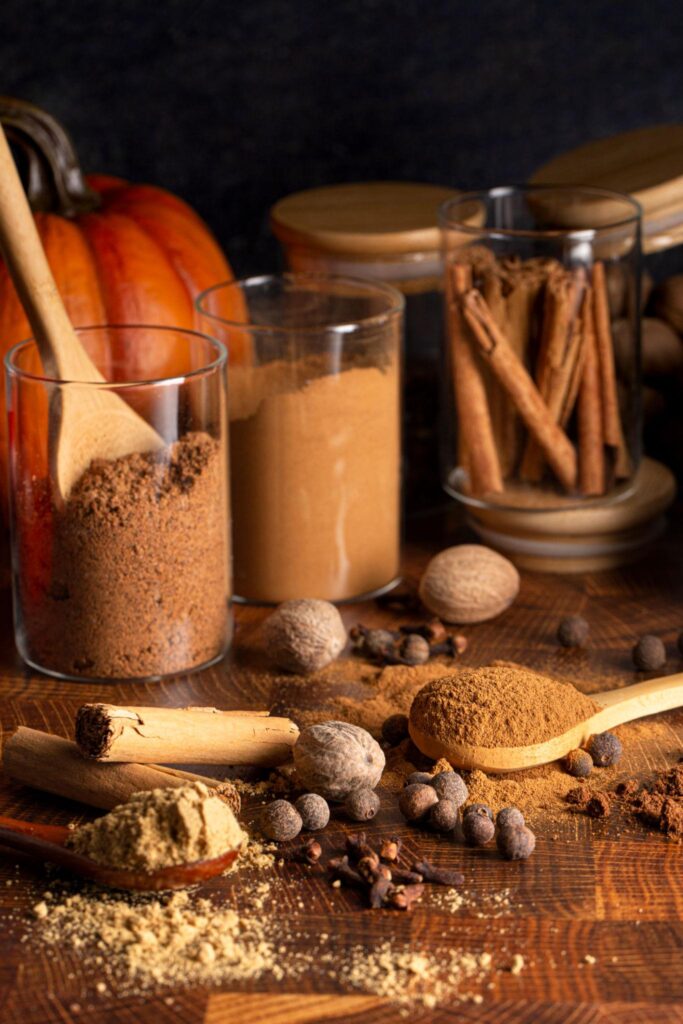
🌱 HOW EACH SPICE MAY SUPPORT INFLAMMATION BALANCE
Cinnamon
- May support blood sugar regulation
- Helps reduce spikes that contribute to inflammation
- Contains antioxidant compounds
Ginger
- Supports digestion and gut motility
- May reduce inflammatory signaling in the body
- Often used for nausea and discomfort
Nutmeg
- Contains antioxidants that help reduce oxidative stress
- May support nervous system balance (in small amounts)
Cloves
- One of the highest antioxidant spices
- Contains eugenol, which may reduce inflammation
- Supports oral and gut health
Allspice
- Contains compounds similar to cloves
- May support digestion and reduce inflammation
- Traditionally used for pain support
🌿 WHY THIS MATTERS
Symptoms are signals, not random.
Everyday exposures, including what we eat, contribute to either:
- Increased inflammatory load
- Or reduced inflammatory burden
These spices are simple tools that may support:
- Blood sugar balance
- Gut health
- Oxidative stress reduction
🌿 SIMPLE DAILY USE IDEAS
- Add to oatmeal or yogurt
- Sprinkle into coffee instead of flavored syrups
- Use in smoothies
- Add to roasted vegetables
⚠️ IMPORTANT NOTE
Pumpkin spice is beneficial.
Pumpkin spice products often are not.
Many seasonal foods contain:
- Added sugars
- Refined flours
- Processed oils
These may increase inflammatory load.
🌿 TAKEAWAY
Small, consistent changes may reduce long-term risk.
Learning to identify and reduce pro-inflammatory lifestyle factors is a skill.
📘 WANT TO LEARN MORE?
Detecting and Reducing Pro-Inflammatory Lifestyle Factors in 30 Days
Visit: StephanieLarmour.com
Click “Course” to learn more
13 Apr, 2026 | Stephanie Sanders | No Comments
Why Prevention Matters: What 40 Years in Health Care Taught Me About Chronic Disease
Over the past 40 years in health care, I cared for some of the sickest patients.

Many required IV nutrition. Some were living with liver failure, diabetes, kidney and Cardiac disease, or cancer.
This was the work I was trained to do. And it mattered. But over time, I began to ask a different question. Why are we waiting until people are this sick?
When Health Care Becomes Sick Care
Our system is designed to treat illness. In many ways, health care has become sick care. When I was first diagnosed with Cutaneous Lupus, and excess histamine development. I was given a pill so I would not feel nauseated from the medication that I was taking, and then another one, so I would not excessively salivate. At some point I made changes to my care, and a reduction of pro-inflammatory lifestyle factors so I did not need all of the additional pills.
Medical care is necessary. It is often life-saving. But it typically begins after years—sometimes decades—of underlying imbalance. What I saw repeatedly was this:
These conditions did not start overnight.
The Missing Middle: What Happens Before Diagnosis
Before diagnosis, there are often signals:
- fatigue
- brain fog
- digestive changes
- joint discomfort
- changes in energy or sleep
These are often dismissed or treated individually. But they may be connected.
Understanding the Inflammation Connection
Think of inflammation like a tree.
- The roots represent lifestyle factors: nutrition, stress, environmental exposures
- The trunk represents inflammation
- The branches represent symptoms
When we only focus on the branches, we may miss what is happening at the root level. Over time, this accumulation can increase inflammatory load.
Why This Matters
Chronic inflammation has been associated with many long-term conditions, including:
- cardiovascular disease
- type 2 diabetes
- certain cancers
- neurodegenerative conditions
This does not mean every symptom leads to disease.
But it does suggest that earlier awareness may matter.
A Shift Toward Prevention
This is what led me to shift my focus. Not away from care—but earlier in the process.
Helping people:
- recognize patterns
- identify possible triggers
- reduce overall inflammatory load
Because small changes, made earlier, may reduce long-term risk.
Where to Begin
If you have ever wondered whether your symptoms are connected, you are not alone. Learning how to observe patterns and make realistic adjustments can be a meaningful first step.
Learn More
I created a course to guide this process step by step: Detecting and Reducing Pro-Inflammatory Lifestyle Factors in 30 Days
You can find it at:
StephanieLarmour.com → Course
If you would like references, ask in the comments.